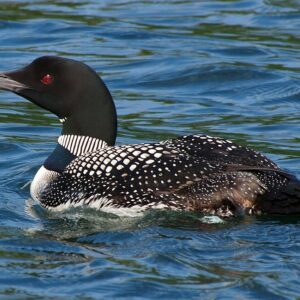
Image Attribution: John Picken from Chicago, USA, CC BY 2.0, via Wikimedia Commons 🔍 Overview A large, impressive diver, mostly seen off the Sussex coast in winter. Known for its haunting breeding calls in summer range. 🪶 Key Identification Features Winter plumage: Blackish above, white below, large dagger-like bill Summer: Black-and-white checkered plumage (rare in...
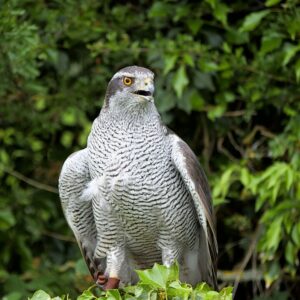
Goshawk
Image Attribution: Goshawk by David Dixon, CC BY-SA 2.0, via Wikimedia Commons 🔍 Overview A powerful and secretive raptor, often dubbed the ‘phantom of the forest’. Rarely seen, but breeds in parts of Sussex. 🪶 Key Identification Features Size: Larger and bulkier than a Sparrowhawk Male: Slate grey above, pale below with fine barring Female: Bigger,...
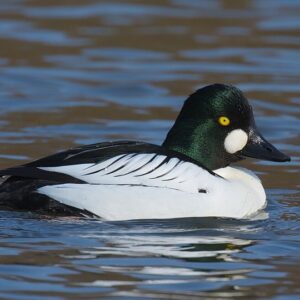
Goldeneye
Image Attribution: https://www.flickr.com/photos/sbern/, CC BY 2.0, via Wikimedia Commons 🔍 Overview A striking diving duck, found in Sussex on freshwater lakes and reservoirs in winter. 🪶 Key Identification Features Male: Black-and-white with greenish head and golden eye Female: Grey body, brown head, yellow eye Both show a short, triangular head shape 🗺️ Habitat & Distribution...
Garganey
🔍 Overview A scarce and elegant spring migrant, typically seen in Sussex from March to May. 🪶 Key Identification Features Male: Distinctive white eye-stripe, brown head, patterned flanks Female: Similar to female Teal but lacks clear facial markings Small, fast-flying dabbling duck 🗺️ Habitat & Distribution Best seen at Pulborough Brooks, Rye Harbour, and Arundel...
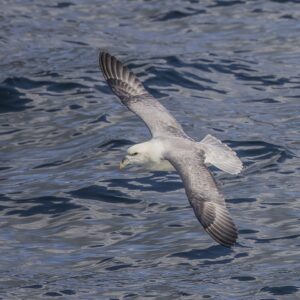
Fulmar
Image Attribution: Charles J. Sharp, CC BY-SA 4.0, via Wikimedia Commons 🔍 Overview A stiff-winged seabird seen gliding along Sussex cliffs and offshore waters, especially during spring and summer. 🪶 Key Identification Features Gull-like but with tubenose nostrils Pale grey wings, white head and body Stiff, straight-winged flight 🗺️ Habitat & Distribution Nests at Brighton...
Curlew Sandpiper
🔍 Overview A scarce passage wader, most often seen in Sussex during autumn. Breeds in Arctic Siberia and winters in Africa. 🪶 Key Identification Features Breeding plumage: Reddish underparts, long downcurved bill Non-breeding: Pale grey above, white below Other: Slim, elegant wader with long legs 🗺️ Habitat & Distribution Best seen at Pagham Harbour, Rye...
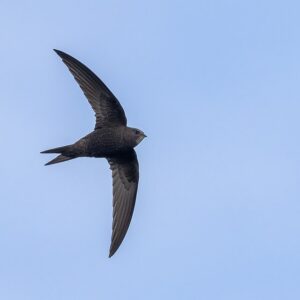
Common Swift
Image Attribution: Alexis Lours, CC BY 4.0, via Wikimedia Commons 🔍 Overview The quintessential summer sky-dweller in Sussex, Swifts arrive in May and leave by August. Spend nearly all daylight hours on the wing. 🪶 Key Identification Features Size: Medium (16–17 cm) Plumage: Uniform dark brown Distinctive Marks: Scythe-shaped wings, forked silhouette Bill: Very small...
Common Pochard
🔍 Overview A diving duck, the Pochard is a regular winter visitor to Sussex lakes and gravel pits. Males are handsome with a rusty head and striking grey body. 🪶 Key Identification Features Size: Medium (42–49 cm)Plumage: Males: grey with chestnut head; females: brownDistinctive Marks: Rounded head, red eyes (male)Bill: Dark with pale bandTail: ShortFlight:...
Common Cuckoo
🔍 Overview Harbinger of spring, the Common Cuckoo is famous for its call and brood parasitism. A declining summer visitor to Sussex heathlands and open woodland. 🪶 Key Identification Features Size: Medium (32–34 cm)Plumage: Grey above, pale barred underpartsDistinctive Marks: Long tail, pointed wingsBill: Slim and slightly down-curvedTail: Long, slightly notchedFlight: Swift and falcon-like 🗺️...
Caspian Gull
🔍 Overview An increasingly regular large gull in Sussex, especially in winter. Tricky to identify but becoming more familiar to keen observers. 🪶 Key Identification Features Adult: Long-legged, pale grey mantle, small dark eye Other: Long, parallel-sided bill, flat-headed profile Juvenile: Pale underwing, long-winged appearance 🗺️ Habitat & Distribution Best found at landfill sites, gull...