Month: May

Home » May » Page 9
Little Egret
Bird

Little Egret

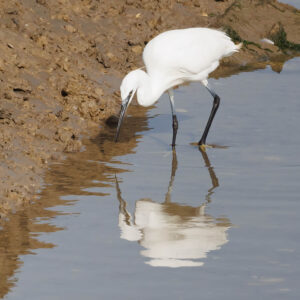
🔍 Overview Now a familiar sight across Sussex wetlands. First bred in the UK in the 1990s and has spread rapidly. 🪶 Key Identification Features All white plumage Long black bill, black legs, yellow feet Elegant and slender with neck held in an “S” shape 🗺️ Habitat & Distribution Widespread at Adur Valley,  Widewater, Goring...
Kestrel
Bird

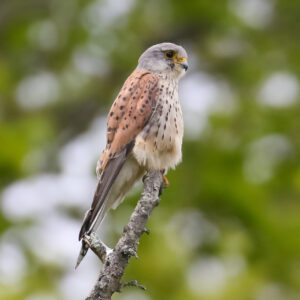
Kestrel

🔍 Overview A familiar falcon, the Kestrel hovers vigilantly over Sussex fields and roadsides, searching for small prey. 🪶 Key Identification Features Size: Medium raptor (34–38 cm)Plumage: Reddish-brown back, grey head (male)Distinctive Marks: Hovering behaviourBill: HookedTail: Long, fannedFlight: Stays stationary in wind 🗺️ Habitat & Distribution Open farmland, roadside verges, heathland — look near Cissbury Ring...

Kingfisher
Bird

Kingfisher

🔍 Overview A flash of electric blue by Sussex waters — the Kingfisher is small but striking, and the emblem of healthy rivers. 🪶 Key Identification Features Size: Tiny (16–17 cm)Plumage: Bright blue back, orange underpartsDistinctive Marks: Large head, dagger billBill: Long and blackTail: Short and squareFlight: Fast, direct, just above water 🗺️ Habitat & Distribution...

Kittiwake
Bird

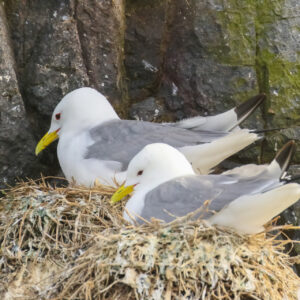
Kittiwake

🔍 Overview A delicate, cliff-loving gull, the Kittiwake may be seen from Sussex headlands during passage or following ships. Common but very localised breeding species; fairly common or common winter visitor and passage migrant. Rare away from coast. 🪶 Key Identification Features Size: Medium (37–40 cm)Plumage: White with grey wings and dark wingtipsDistinctive Marks: Thin, forked...

Knot
Bird

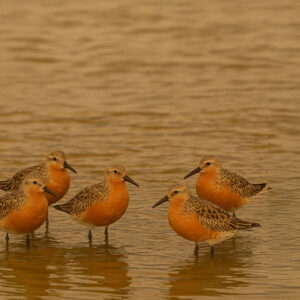
Knot

🔍 Overview A gorgeous winter wader, the Knot in plumage can appear almost white or deep cinnamon in spring plumage along coastlines. 🪶 Key Identification Features Size: Stocky wader (23–26 cm)Plumage: Mottled grey/white, red-brown breeding plumageDistinctive Marks: Short, straight billBill: Short and straightTail: Short and roundFlight: Barking calls in low flocks 🗺️ Habitat & Distribution Wintering...

Lapwing
Bird

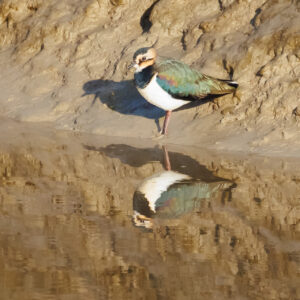
Lapwing

📍 Local Expert Tip “The Lapwing is a regular but much declined winter visitor. The island by the Toll Bridge is a regular feeding area. At high tide, birds roost on the airfield but easily disturbed.” 🔍 Overview A dramatic and beloved farmland wader, the Lapwing is iconic in Sussex with its crest and acrobatic displays....

Jackdaw
Bird

Jackdaw

🔍 Overview The smallest UK crow, Jackdaws are common across Sussex’s farmlands, towns, and woodlands. Known for their curious, intelligent behaviour. 🪶 Key Identification Features Size: Medium (33 cm) Plumage: Black with pale grey nape and cheeks Eyes: Pale blue or white Bill: Shorter and more delicate than other crows Flight: Agile and direct 🗺️...

Jay
Bird

Jay

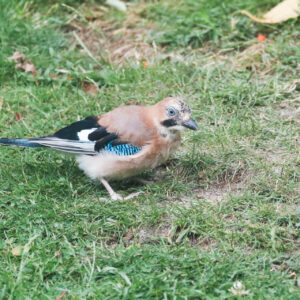
🔍 Overview A secretive woodland crow, the Jay is colourful and increasingly seen in Sussex gardens—especially in autumn when caching acorns. 🪶 Key Identification Features Size: Medium (34 cm) Plumage: Pinkish-buff body, black moustache, blue wing patch Bill: Strong Tail: Black, medium length Flight: Fluttery with bursts 🗺️ Habitat & Distribution Common in broadleaf woodlands,...

House Martin
Bird

House Martin

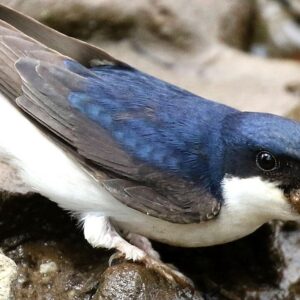
🔍 Overview Common but declining summer visitor to Sussex, House Martins are aerial insectivores seen from April to November, often nesting under eaves in towns and villages. 🪶 Key Identification Features Size: Small (13 cm) Plumage: Glossy blue-black upperparts, white underparts Distinctive Marks: White rump, short forked tail Bill: Short and wide Flight: Fast, swooping...

House Sparrow
Bird

House Sparrow

🔍 Overview A familiar and widespread resident in Sussex, often associated with human settlements. Numbers declined but remain strong in many towns. 🪶 Key Identification Features Size: Small (14–15 cm) Plumage (male): Grey crown, black bib, chestnut nape Plumage (female): Plain brown with pale eyebrow Bill: Thick and conical Flight: Direct, fast with quick wingbeats...