🔍 Overview A familiar and widespread resident in Sussex, often associated with human settlements. Numbers declined but remain strong in many towns. 🪶 Key Identification Features Size: Small (14–15 cm) Plumage (male): Grey crown, black bib, chestnut nape Plumage (female): Plain brown with pale eyebrow Bill: Thick and conical Flight: Direct, fast with quick wingbeats...
Location: Brooklands Park
Herring Gull
🔍 Overview A large and familiar gull, breeding on Sussex coast and present year-round on coastal and inland water bodies. 🪶 Key Identification Features Size: Large (55–66 cm) Plumage: Light grey back, white body Distinctive Marks: Pink legs, yellow bill with red spot Bill: Long and robust Tail: Square Flight: Powerful, gliding 🗺️ Habitat & Distribution...
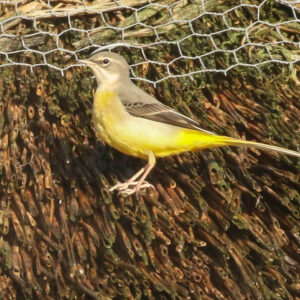
Grey Wagtail
🔍 Overview A vibrant, long-tailed wagtail often found near fast-moving water, especially in upland Sussex streams and winter gardens. 🪶 Key Identification Features Size: Small (18–20 cm)Plumage: Grey back, bright yellow underparts (male), long tailDistinctive Marks: Constant tail waggingBill: Thin and pointedTail: Long and narrowFlight: Bouncy and fluttering 🗺️ Habitat & Distribution Rivers, streams, canals, and...
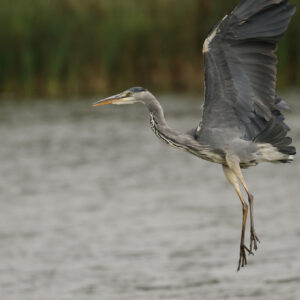
Grey Heron
🔍 Overview A familiar, statuesque wader, the Grey Heron patrols Sussex waters year-round. Often seen standing motionless, waiting to strike. 🪶 Key Identification Features Size: Large (90–100 cm)Plumage: Grey body, white head with black crest stripeDistinctive Marks: S-shaped neck, long dagger-like billBill: Large and yellowishTail: Short and squareFlight: Slow wingbeats with tucked neck 🗺️ Habitat &...
Greenfinch
🔍 Overview A stout, seed-eating finch common at Sussex feeders, especially in winter and spring. 🪶 Key Identification Features Size: Small (16 cm) Plumage: Olive-green with yellow wing and tail bars Distinctive Marks: Yellow patch at wing edge Bill: Thick and conical Tail: Medium Flight: Fast with bursts 🗺️ Habitat & Distribution Present in gardens, woodlands,...
Great Tit
🔍 Overview A large, vocal tit common in Sussex gardens, woodlands, and parks year-round. 🪶 Key Identification Features Size: Medium (14 cm) Plumage: Yellow belly and green back Distinctive Marks: Black head and bib, white cheeks Bill: Robust Tail: Medium Flight: Bouncy 🗺️ Habitat & Distribution Everywhere—gardens, woodlands, hedgerows throughout Sussex. 🎶 Voice & Behaviour Two-syllable...
Great Black-backed Gull
📍 Local Expert Tip “The Great Black-backed Gull is the largest gull in the world and a frequent sight anywhere along the tideline and at low tide in the Adur Estuary around the Toll Bridge. Breeds locally but very under-recorded so do keep an eye on local rooftops including on industrial estates.” 🔍 Overview The largest...
Goldfinch
🔍 Overview Bright, musical, and common, the Goldfinch is one of Sussex’s most recognisable garden and countryside finches. 🪶 Key Identification Features Size: Small (12–13 cm)Plumage: Red face, gold wing flashes, black and white headDistinctive Marks: Vibrant red maskBill: Slim and pointedTail: ShortFlight: Bouncy and undulating 🗺️ Habitat & Distribution Widespread across Sussex gardens, hedgerows,...
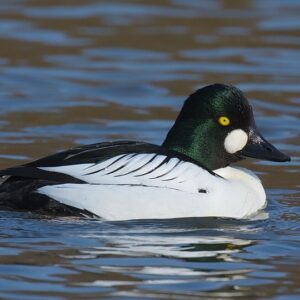
Goldeneye
Image Attribution: https://www.flickr.com/photos/sbern/, CC BY 2.0, via Wikimedia Commons 🔍 Overview A striking diving duck, found in Sussex on freshwater lakes and reservoirs in winter. 🪶 Key Identification Features Male: Black-and-white with greenish head and golden eye Female: Grey body, brown head, yellow eye Both show a short, triangular head shape 🗺️ Habitat & Distribution...
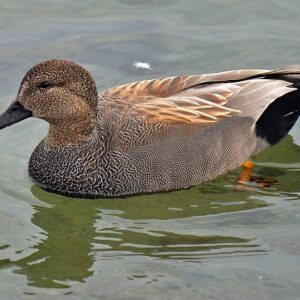
Gadwall
Image Attribution: Mykola Swarnyk, CC BY-SA 3.0, via Wikimedia Commons 🔍 Overview A subtly beautiful dabbling duck, found across Sussex wetlands in winter and breeding in select sites. Very scarce breeder and scarce summer non-breeder; fairly common winter visitor; scarce on observed passage. 🪶 Key Identification Features Male: Grey body, black rump, white wing patch...