🔍 Overview A tiny finch with a crimson cap, the Redpoll is a winter visitor to Sussex, occasionally forming flocks in birch woods and weedy patches. 🪶 Key Identification Features Size: Small (11–13 cm)Plumage: Brown streaky with red forehead and bibDistinctive Marks: Black chin, red foreheadBill: Small and conicalTail: ForkedFlight: Bouncing, finch-like 🗺️ Habitat & Distribution...
Location: Cissbury to Chanctonbury
Redwing
🔍 Overview A winter thrush from Scandinavia. Redwings arrive in Sussex around October and often form flocks with Fieldfares. 🪶 Key Identification Features Size: Medium (21 cm) Plumage: Brown back, pale belly with streaks Markings: Bold white eyebrow and red underwing flanks Flight: Fast and flitting 🗺️ Habitat & Distribution Winters in hedgerows, orchards, fields,...
Quail
🔍 Overview A small, elusive bird that visits Sussex in summer. More often heard than seen. 🪶 Key Identification Features Size of a starling Brown with striped back and pale belly Short-tailed and rounded wings 🗺️ Habitat & Distribution Prefers long grass and arable fields in warm summers. Unpredictable but has been recorded on the...
Raven
🔍 Overview The Raven is a powerful and intelligent corvid, now increasingly common in Sussex, especially near cliffs and upland woods. Fairly common breeding resident; first bred in modern era in 2001. 🪶 Key Identification Features Size: Very large (60–67 cm)Plumage: Glossy blackDistinctive Marks: Thick neck, heavy bill, diamond-shaped tailBill: Large and curvedTail: Wedge-shapedFlight: Soaring, acrobatic...
Pied Flycatcher
🔍 Overview A smart, black-and-white songbird seen mainly on spring and autumn passage in Sussex. Scarce breeder. 🪶 Key Identification Features Male: Black above, white below, white wing patches Female: Browner tones Slightly fidgety, flicks wings frequently 🗺️ Habitat & Distribution Passage migrant in April–May and August–September, mostly in woodland and coastal scrub like Cissbury...
Nightjar
An elusive summer visitor, the Nightjar haunts heathland and woodland clearings, emerging at dusk. 🪶 Key Identification Features Size: Medium (26–28 cm)Plumage: Cryptic grey-brownDistinctive Marks: White wing spots (male), long wingsBill: Short but wideTail: LongFlight: Silent, fluttering 🗺️ Habitat & Distribution Heathland and conifer plantations—especially Pulborough and Iping Common. 🎶 Voice & Behaviour Unmistakable “churring” trill...
Northern Wheatear
📍 Local Expert Tip “The Wheatear is a a regular passage migrant in Spring and Autumn. Shoreham Fort often records the first birds heading north in Spring from mid-March but can be found anywhere along the coast. Regularly seen during Autumn migration in the Downs along the Monarch’s Way footpath, Truleigh Hill, Cissbury Ring etc.” 🔍...
Nuthatch
🔍 Overview An acrobatic woodland resident that creeps down tree trunks headfirst. Widespread in Sussex’s mature broadleaf woodlands. 🪶 Key Identification Features Size: Medium-small (14 cm) Plumage: Blue-grey upperparts, buff underparts Markings: Bold black eye-stripe Posture: Often seen head-down on tree trunks 🗺️ Habitat & Distribution Frequents deciduous woodlands, parks, and large gardens with mature...
Merlin
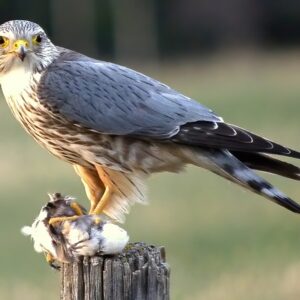
🔍 Overview The UK’s smallest falcon, a fierce and fast hunter often seen darting low over open country. Winter visitor in Sussex. 🪶 Key Identification Features Small and compact Male: Blue-grey above, orange below Female/Juv.: Heavily streaked and brown 🗺️ Habitat & Distribution Seen in winter on South Downs, Chantry and Cissbury, and heathland like...
Mistle Thrush
🔍 Overview Larger and bolder than the Song Thrush, Mistle Thrushes are widespread across Sussex in woodland edges, parks, and open countryside. 🪶 Key Identification Features Size: Large (27 cm) Plumage: Greyish-brown back, bold spots on pale chest Posture: Upright and alert Flight: Strong and direct 🗺️ Habitat & Distribution Common in parkland, churchyards, and...