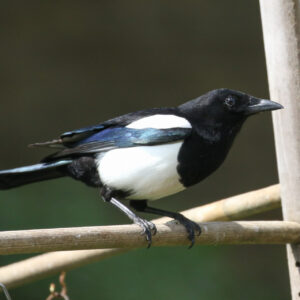
🔍 Overview A familiar black-and-white bird in Sussex gardens and fields, with a reputation for intelligence and bold behaviour. 🪶 Key Identification Features Size: Medium-large (44–46 cm) Plumage: Black and white with iridescent green and blue wing and tail sheen Bill: Large and strong Tail: Long and wedge-shaped Flight: Steady, fluttery with long glides 🗺️...
Location: Sheepcote Valley
Little Ringed Plover
🔍 Overview A dainty wader that breeds on bare, stony ground. Summer visitor and breeder in parts of Sussex. 🪶 Key Identification Features Sandy brown upperparts, white belly Bright yellow eye-ring Smaller and darker than Ringed Plover 🗺️ Habitat & Distribution Breeds at gravel pits, reservoirs, and quarries, including Arlington Reservoir and Rye Harbour. 🎶...
Linnet
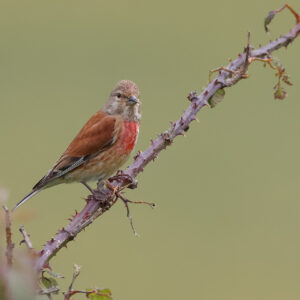
🔍 Overview Common but decreasing resident and partial migrant. A finch of open countryside and coastal scrub, Linnets are declining in parts of Sussex but remain in farmland and heathlands. 🪶 Key Identification Features Size: Small (13–14 cm) Male Plumage: Grey head, red breast and forehead in breeding season Female/Non-breeding: Plain brown Bill: Slim...
Lesser Whitethroat
📍 Local Expert Tip “The Lesser Whitethroat locally, is far less common than Common Whitethroat and much more elusive. Best found by learning its song and then patiently waiting for a view. Mill Hill generally has 2 – 3 pairs and the Downs Link path heading north from the A27 is another reliable location.” 🔍 Overview...
Jackdaw
🔍 Overview The smallest UK crow, Jackdaws are common across Sussex’s farmlands, towns, and woodlands. Known for their curious, intelligent behaviour. 🪶 Key Identification Features Size: Medium (33 cm) Plumage: Black with pale grey nape and cheeks Eyes: Pale blue or white Bill: Shorter and more delicate than other crows Flight: Agile and direct 🗺️...
House Sparrow
🔍 Overview A familiar and widespread resident in Sussex, often associated with human settlements. Numbers declined but remain strong in many towns. 🪶 Key Identification Features Size: Small (14–15 cm) Plumage (male): Grey crown, black bib, chestnut nape Plumage (female): Plain brown with pale eyebrow Bill: Thick and conical Flight: Direct, fast with quick wingbeats...
Hawfinch
🔍 Overview Britain’s largest finch, known for its massive bill and shy nature. Scarce in Sussex but winter sightings increasing. 🪶 Key Identification Features Bulky finch with thick neck Huge, powerful bill Orange-brown body, black-and-white wings 🗺️ Habitat & Distribution Seen at Arundel, Ebernoe, Brede High Woods, especially in late winter and early spring. 🎶...
Greenfinch
🔍 Overview A stout, seed-eating finch common at Sussex feeders, especially in winter and spring. 🪶 Key Identification Features Size: Small (16 cm) Plumage: Olive-green with yellow wing and tail bars Distinctive Marks: Yellow patch at wing edge Bill: Thick and conical Tail: Medium Flight: Fast with bursts 🗺️ Habitat & Distribution Present in gardens, woodlands,...
Great Tit
🔍 Overview A large, vocal tit common in Sussex gardens, woodlands, and parks year-round. 🪶 Key Identification Features Size: Medium (14 cm) Plumage: Yellow belly and green back Distinctive Marks: Black head and bib, white cheeks Bill: Robust Tail: Medium Flight: Bouncy 🗺️ Habitat & Distribution Everywhere—gardens, woodlands, hedgerows throughout Sussex. 🎶 Voice & Behaviour Two-syllable...
Golden Plover
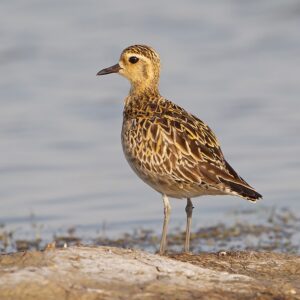
🔍 Overview Scarce passage migrant in Sussex found in farmland or coastal fields. 🪶 Key Identification Features Size: Medium (28–31 cm) Plumage (breeding): Mottled gold and black Non‑breeding: Grey with pale underparts Distinctive Marks: Black belly patch in spring Bill: Short and straight Flight: Fast and direct 🗺️ Habitat & Distribution Seen in wet grasslands, flooded...