🔍 Overview The smallest UK crow, Jackdaws are common across Sussex’s farmlands, towns, and woodlands. Known for their curious, intelligent behaviour. 🪶 Key Identification Features Size: Medium (33 cm) Plumage: Black with pale grey nape and cheeks Eyes: Pale blue or white Bill: Shorter and more delicate than other crows Flight: Agile and direct 🗺️...
Jay
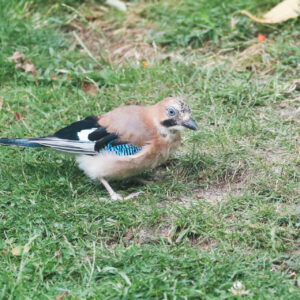
🔍 Overview A secretive woodland crow, the Jay is colourful and increasingly seen in Sussex gardens—especially in autumn when caching acorns. 🪶 Key Identification Features Size: Medium (34 cm) Plumage: Pinkish-buff body, black moustache, blue wing patch Bill: Strong Tail: Black, medium length Flight: Fluttery with bursts 🗺️ Habitat & Distribution Common in broadleaf woodlands,...
House Sparrow
🔍 Overview A familiar and widespread resident in Sussex, often associated with human settlements. Numbers declined but remain strong in many towns. 🪶 Key Identification Features Size: Small (14–15 cm) Plumage (male): Grey crown, black bib, chestnut nape Plumage (female): Plain brown with pale eyebrow Bill: Thick and conical Flight: Direct, fast with quick wingbeats...
Hen Harrier
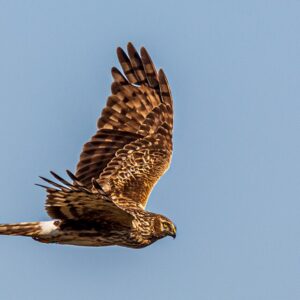
Image Attribution: Stephan Sprinz, CC BY-SA 4.0, via Wikimedia Commons 🔍 Overview An elegant raptor of open country, once bred in Sussex but now mainly seen on passage or wintering on the Downs. 🪶 Key Identification Features Male: Pale grey with black wingtips Female/juvenile: Brown with white rump (“ringtail”) Long wings and tail, low buoyant...
Herring Gull
🔍 Overview A large and familiar gull, breeding on Sussex coast and present year-round on coastal and inland water bodies. 🪶 Key Identification Features Size: Large (55–66 cm) Plumage: Light grey back, white body Distinctive Marks: Pink legs, yellow bill with red spot Bill: Long and robust Tail: Square Flight: Powerful, gliding 🗺️ Habitat & Distribution...
Grey Heron
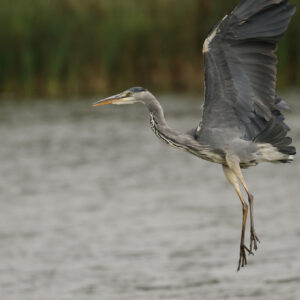
🔍 Overview A familiar, statuesque wader, the Grey Heron patrols Sussex waters year-round. Often seen standing motionless, waiting to strike. 🪶 Key Identification Features Size: Large (90–100 cm)Plumage: Grey body, white head with black crest stripeDistinctive Marks: S-shaped neck, long dagger-like billBill: Large and yellowishTail: Short and squareFlight: Slow wingbeats with tucked neck 🗺️ Habitat &...
Grey Partridge
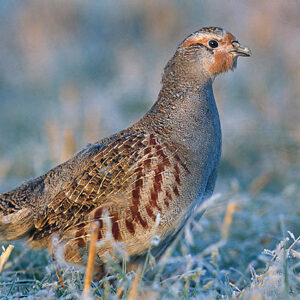
Image Attribution: Marek Szczepanek, CC BY-SA 4.0, via Wikimedia Commons 🔍 Overview A farmland bird once common across Sussex, now very scarce due to habitat loss and agricultural changes. Much declined but benefiting locally through conservation effort. 🪶 Key Identification Features Round-bodied, grey-brown bird Chestnut face and flank patches Short tail and quick, whirring flight...
Grey Plover
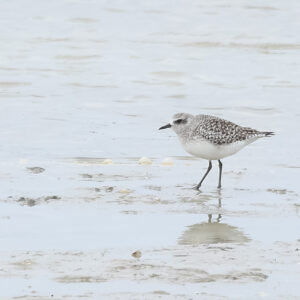
📍 Local Expert Tip “A handful of birds can be seen most winters around the Adur Estuary and Goring Gap and Worthing beaches. A distinctive white-headed individual returned for at least five years from 2020 to the Adur Estuary favouring the section north of the Railway Bridge.” 🔍 Overview A robust, medium-large wader known for...
Grey Wagtail
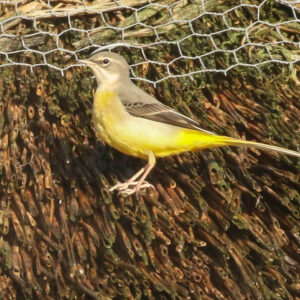
🔍 Overview A vibrant, long-tailed wagtail often found near fast-moving water, especially in upland Sussex streams and winter gardens. 🪶 Key Identification Features Size: Small (18–20 cm)Plumage: Grey back, bright yellow underparts (male), long tailDistinctive Marks: Constant tail waggingBill: Thin and pointedTail: Long and narrowFlight: Bouncy and fluttering 🗺️ Habitat & Distribution Rivers, streams, canals, and...
Greylag Goose
🔍 Overview The ancestor of domestic geese, the Greylag Goose is common in Sussex pastures, lakes, and coastal marshes, often in large flocks. (Native population in UK is Amber listed species of medium conservation concern). 🪶 Key Identification Features Size: Large (74–84 cm)Plumage: Mottled grey, pale bellyDistinctive Marks: Pinkish bill, orange legsBill: Broad and orange-pinkTail: Short...