🔍 Overview Larger and bolder than the Song Thrush, Mistle Thrushes are widespread across Sussex in woodland edges, parks, and open countryside. 🪶 Key Identification Features Size: Large (27 cm) Plumage: Greyish-brown back, bold spots on pale chest Posture: Upright and alert Flight: Strong and direct 🗺️ Habitat & Distribution Common in parkland, churchyards, and...
Moorhen
🔍 Overview Common in Sussex wetlands, the Moorhen is a dark, duck-sized waterbird with a red bill and a quirky personality. 🪶 Key Identification Features Size: Medium (30–35 cm)Plumage: Dark brown-black with white flashesDistinctive Marks: Red bill with yellow tipBill: Red, triangularTail: Short and flicked upwardFlight: Clumsy, weak flier 🗺️ Habitat & Distribution Everywhere from garden...
Marsh Tit
🔍 Overview A quiet, elusive resident of mature Sussex woodlands. Easily confused with the Willow Tit, though rarer locally. 🪶 Key Identification Features Size: Small (11.5 cm) Plumage: Pale underparts, brown back Cap: Shiny black cap and bib Distinctive Mark: No pale wing panel Voice: Clear “pitchou” call 🗺️ Habitat & Distribution Favors ancient woodlands...
Meadow Pipit
🔍 Overview A slender, streaky bird of open habitats. Common across Sussex heathlands, downs, and coastal marshes. 🪶 Key Identification Features Size: Small (15 cm) Plumage: Streaky brown above, pale with heavy breast streaking below Legs: Pale pink, often seen bobbing Flight: Flutters upwards, then parachutes down 🗺️ Habitat & Distribution Breeds in open moorland,...
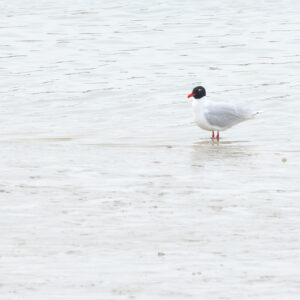
Mediterranean Gull
📍 Local Expert Tip “The Mediterranean Gull is a species undergoing a dramatic range expansion and now breeds in Sussex although not in the local area. However, in Spring the high tide gull roost at Goring Gap often contains Mediterranean Gulls of various ages allowing good views.” 🔍 Overview A once-rare visitor now increasingly common in...
Mallard
🔍 Overview The UK’s most familiar duck, the Mallard is a common sight on Sussex’s lakes, rivers, ponds, and even urban parks year-round. 🪶 Key Identification Features Size: Large (58 cm) Male: Glossy green head, yellow bill, grey body, curled black tail feathers Female: Mottled brown with orange bill Flight: Fast and direct, with loud...
Mandarin Duck
🔍 Overview An introduced species from Asia, now thriving in parts of Sussex. Arguably the most ornamental duck in Britain. 🪶 Key Identification Features Male: Bright orange sail-like feathers, ornate and multicoloured Female: Subtly patterned grey with white eye-ring Small and short-tailed 🗺️ Habitat & Distribution Resident in wooded lakes and slow rivers like Arundel...
Manx Shearwater
🔍 Overview A true ocean wanderer, the Manx Shearwater is seen passing Sussex headlands on migration—graceful and fast over waves.Fairly common spring to autumn passage migrant. 🪶 Key Identification Features Size: Medium seabird (30–38 cm)Plumage: Black above, white belowDistinctive Marks: Clean contrast in plumageBill: Thin and hookedTail: ShortFlight: Low glides with stiff wings 🗺️ Habitat &...
Marsh Harrier
🔍 Overview A large, graceful raptor of reedbeds and marshes. Recolonised Sussex in recent years after a long absence. Scarce breeder since 2004. 🪶 Key Identification Features Long wings held in a shallow “V” Male: Pale head and underwings Female/Juvenile: Dark with golden crown 🗺️ Habitat & Distribution Seen at Chantry, Cissbury, and Upper Adur...
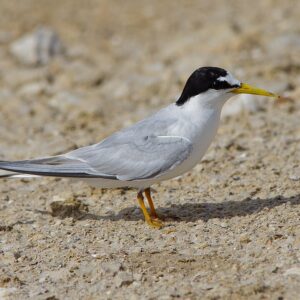
Little Tern
🔍 Overview A summer breeder on Sussex’s shingle beaches, the Little Tern is small, agile, and highly vocal. 🪶 Key Identification Features Size: Very small tern (22–24 cm)Plumage: Pale grey above, white belowDistinctive Marks: White forehead patch, yellow bill with black tipBill: Slender and pointedTail: ForkedFlight: Agile, hovers before diving 🗺️ Habitat & Distribution Seen off...