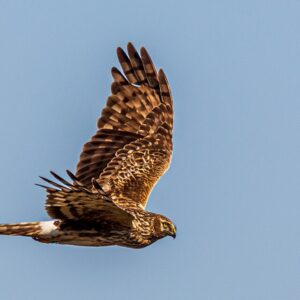
🔍 Overview An elegant raptor of open country, once bred in Sussex but now mainly seen on passage or wintering on the Downs. 🪶 Key Identification Features Male: Pale grey with black wingtips Female/juvenile: Brown with white rump (“ringtail”) Long wings and tail, low buoyant flight 🗺️ Habitat & Distribution Seen at Lancing Ring, Steep...
Location: Chantry and Kithurst Hill
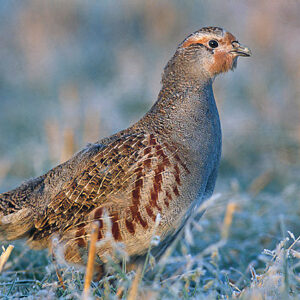
Grey Partridge
🔍 Overview A farmland bird once common across Sussex, now very scarce due to habitat loss and agricultural changes. Much declined but benefiting locally through conservation effort. 🪶 Key Identification Features Round-bodied, grey-brown bird Chestnut face and flank patches Short tail and quick, whirring flight 🗺️ Habitat & Distribution Rare and declining. Best chance in...
Greenfinch
🔍 Overview A stout, seed-eating finch common at Sussex feeders, especially in winter and spring. 🪶 Key Identification Features Size: Small (16 cm) Plumage: Olive-green with yellow wing and tail bars Distinctive Marks: Yellow patch at wing edge Bill: Thick and conical Tail: Medium Flight: Fast with bursts 🗺️ Habitat & Distribution Present in gardens, woodlands,...
Great Tit
🔍 Overview A large, vocal tit common in Sussex gardens, woodlands, and parks year-round. 🪶 Key Identification Features Size: Medium (14 cm) Plumage: Yellow belly and green back Distinctive Marks: Black head and bib, white cheeks Bill: Robust Tail: Medium Flight: Bouncy 🗺️ Habitat & Distribution Everywhere—gardens, woodlands, hedgerows throughout Sussex. 🎶 Voice & Behaviour Two-syllable...
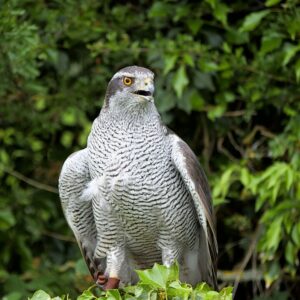
Goshawk
🔍 Overview A powerful and secretive raptor, often dubbed the ‘phantom of the forest’. Rarely seen, but breeds in parts of Sussex. 🪶 Key Identification Features Size: Larger and bulkier than a Sparrowhawk Male: Slate grey above, pale below with fine barring Female: Bigger, browner Broad wings, long tail 🗺️ Habitat & Distribution Breeds in...
Goldfinch
🔍 Overview Bright, musical, and common, the Goldfinch is one of Sussex’s most recognisable garden and countryside finches. 🪶 Key Identification Features Size: Small (12–13 cm)Plumage: Red face, gold wing flashes, black and white headDistinctive Marks: Vibrant red maskBill: Slim and pointedTail: ShortFlight: Bouncy and undulating 🗺️ Habitat & Distribution Widespread across Sussex gardens, hedgerows,...
Dunnock
🔍 Overview A shy, understated passerine of Sussex gardens and shrubberies. Often mistaken for a sparrow, but with a skittish, furtive nature. 🪶 Key Identification Features Size: Small (14 cm) Plumage: Brown-streaked back, grey head, breast and throat Distinctive Marks: Plain grey face with thin bill Bill: Slender Tail: Medium Flight: Low and direct 🗺️...
Corn Bunting
📍 Local Expert Tip “The Corn Bunting is the ‘Fat Man of the Barley’ suffered massive declines nationally. Sussex remains a stronghold and Steep Down, north of Lancing Ring is one of the most reliable places in the county to see and hear this iconic farmland bird.” 🔍 Overview A farmland specialist, the Corn Bunting is...
Common Starling
🔍 Overview Shiny and social, the Starling is a brilliant presence in Sussex fields and gardens. Known for its iridescent plumage and murmuring flocks. 🪶 Key Identification Features Size: Medium (20–22 cm) Plumage: Iridescent black with metallic purple/green sheen, speckled in winter Distinctive Marks: Pinkish legs Bill: Yellow in summer, dark in winter Tail: Short...
Common Chiffchaff
🔍 Overview A small, greenish warbler, arriving in Sussex each spring. Known for its rhythmic, onomatopoeic “chiff-chaff” song. 🪶 Key Identification Features Size: Very small (10–12 cm) Plumage: Olive-grey above, pale below Distinctive Marks: Weak eye-stripe, greenish tones Bill: Thin and pointed Tail: Short Flight: Fluttery and hesitant 🗺️ Habitat & Distribution Found in woodlands,...