🔍 Overview A tiny finch with a crimson cap, the Redpoll is a winter visitor to Sussex, occasionally forming flocks in birch woods and weedy patches. 🪶 Key Identification Features Size: Small (11–13 cm)Plumage: Brown streaky with red forehead and bibDistinctive Marks: Black chin, red foreheadBill: Small and conicalTail: ForkedFlight: Bouncing, finch-like 🗺️ Habitat & Distribution...
Red Kite
🔍 Overview A soaring success story, the Red Kite is increasingly spotted across Sussex, often gliding effortlessly with a forked tail. Fairly common breeding resident (first bred in 2004) and an increasing visitor. 🪶 Key Identification Features Size: Large (60–70 cm)Plumage: Reddish-brown with pale headDistinctive Marks: Forked tail, long wingsBill: HookedTail: Deeply forkedFlight: Buoyant and graceful...
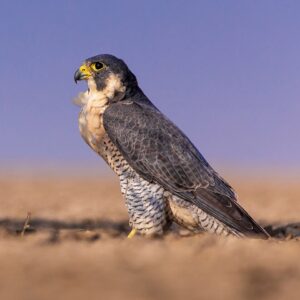
Peregrine
🔍 Overview The world’s fastest bird, this powerful falcon is now a regular breeder on cliffs and urban buildings in Sussex. 🪶 Key Identification Features Slate-grey upperparts Heavy black moustache mark Bullet-shaped in flight with rapid wingbeats and steep dives 🗺️ Habitat & Distribution Breeds on Shoreham Cement Works, Chichester Cathedral. Seen on Shoreham Harbour...
Nuthatch
🔍 Overview An acrobatic woodland resident that creeps down tree trunks headfirst. Widespread in Sussex’s mature broadleaf woodlands. 🪶 Key Identification Features Size: Medium-small (14 cm) Plumage: Blue-grey upperparts, buff underparts Markings: Bold black eye-stripe Posture: Often seen head-down on tree trunks 🗺️ Habitat & Distribution Frequents deciduous woodlands, parks, and large gardens with mature...
Moorhen
🔍 Overview Common in Sussex wetlands, the Moorhen is a dark, duck-sized waterbird with a red bill and a quirky personality. 🪶 Key Identification Features Size: Medium (30–35 cm)Plumage: Dark brown-black with white flashesDistinctive Marks: Red bill with yellow tipBill: Red, triangularTail: Short and flicked upwardFlight: Clumsy, weak flier 🗺️ Habitat & Distribution Everywhere from garden...
Mistle Thrush
🔍 Overview Larger and bolder than the Song Thrush, Mistle Thrushes are widespread across Sussex in woodland edges, parks, and open countryside. 🪶 Key Identification Features Size: Large (27 cm) Plumage: Greyish-brown back, bold spots on pale chest Posture: Upright and alert Flight: Strong and direct 🗺️ Habitat & Distribution Common in parkland, churchyards, and...
Meadow Pipit
🔍 Overview A slender, streaky bird of open habitats. Common across Sussex heathlands, downs, and coastal marshes. 🪶 Key Identification Features Size: Small (15 cm) Plumage: Streaky brown above, pale with heavy breast streaking below Legs: Pale pink, often seen bobbing Flight: Flutters upwards, then parachutes down 🗺️ Habitat & Distribution Breeds in open moorland,...
Marsh Tit
🔍 Overview A quiet, elusive resident of mature Sussex woodlands. Easily confused with the Willow Tit, though rarer locally. 🪶 Key Identification Features Size: Small (11.5 cm) Plumage: Pale underparts, brown back Cap: Shiny black cap and bib Distinctive Mark: No pale wing panel Voice: Clear “pitchou” call 🗺️ Habitat & Distribution Favors ancient woodlands...
Mallard
🔍 Overview The UK’s most familiar duck, the Mallard is a common sight on Sussex’s lakes, rivers, ponds, and even urban parks year-round. 🪶 Key Identification Features Size: Large (58 cm) Male: Glossy green head, yellow bill, grey body, curled black tail feathers Female: Mottled brown with orange bill Flight: Fast and direct, with loud...
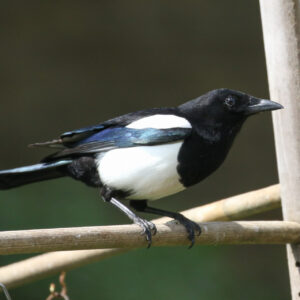
Magpie
🔍 Overview A familiar black-and-white bird in Sussex gardens and fields, with a reputation for intelligence and bold behaviour. 🪶 Key Identification Features Size: Medium-large (44–46 cm) Plumage: Black and white with iridescent green and blue wing and tail sheen Bill: Large and strong Tail: Long and wedge-shaped Flight: Steady, fluttery with long glides 🗺️...