🔍 Overview A slender, streaky bird of open habitats. Common across Sussex heathlands, downs, and coastal marshes. 🪶 Key Identification Features Size: Small (15 cm) Plumage: Streaky brown above, pale with heavy breast streaking below Legs: Pale pink, often seen bobbing Flight: Flutters upwards, then parachutes down 🗺️ Habitat & Distribution Breeds in open moorland,...
Location: Lower Adur SSSI
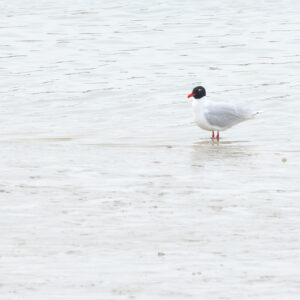
Mediterranean Gull
📍 Local Expert Tip “The Mediterranean Gull is a species undergoing a dramatic range expansion and now breeds in Sussex although not in the local area. However, in Spring the high tide gull roost at Goring Gap often contains Mediterranean Gulls of various ages allowing good views.” 🔍 Overview A once-rare visitor now increasingly common in...
Mallard
🔍 Overview The UK’s most familiar duck, the Mallard is a common sight on Sussex’s lakes, rivers, ponds, and even urban parks year-round. 🪶 Key Identification Features Size: Large (58 cm) Male: Glossy green head, yellow bill, grey body, curled black tail feathers Female: Mottled brown with orange bill Flight: Fast and direct, with loud...
Mandarin Duck
🔍 Overview An introduced species from Asia, now thriving in parts of Sussex. Arguably the most ornamental duck in Britain. 🪶 Key Identification Features Male: Bright orange sail-like feathers, ornate and multicoloured Female: Subtly patterned grey with white eye-ring Small and short-tailed 🗺️ Habitat & Distribution Resident in wooded lakes and slow rivers like Arundel...
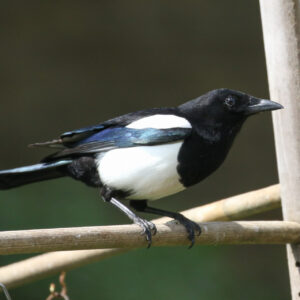
Magpie
🔍 Overview A familiar black-and-white bird in Sussex gardens and fields, with a reputation for intelligence and bold behaviour. 🪶 Key Identification Features Size: Medium-large (44–46 cm) Plumage: Black and white with iridescent green and blue wing and tail sheen Bill: Large and strong Tail: Long and wedge-shaped Flight: Steady, fluttery with long glides 🗺️...
Little Grebe
🔍 Overview Also known as “Dabchick,” the Little Grebe is a small, round diving bird commonly found on Sussex ponds and lakes. 🪶 Key Identification Features Size: Tiny (25–29 cm)Plumage: Chestnut neck, dark back in summer; duller in winterDistinctive Marks: Puffy shape, hidden tailBill: Short and pointedTail: Virtually absentFlight: Rarely flies; prefers diving 🗺️ Habitat &...
Little Ringed Plover
🔍 Overview A dainty wader that breeds on bare, stony ground. Summer visitor and breeder in parts of Sussex. 🪶 Key Identification Features Sandy brown upperparts, white belly Bright yellow eye-ring Smaller and darker than Ringed Plover 🗺️ Habitat & Distribution Breeds at gravel pits, reservoirs, and quarries, including Arlington Reservoir and Rye Harbour. 🎶...
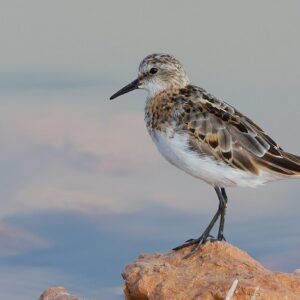
Little Stint
🔍 Overview A tiny Arctic-breeding wader seen on passage, especially in autumn. One of the smallest shorebirds in Sussex. 🪶 Key Identification Features Small, delicate wader with fine bill and short legs Sandy brown above, white below Juveniles show neat scaly pattern 🗺️ Habitat & Distribution Passage migrant at Pagham Harbour, Rye Harbour, and Medmerry...
Lesser Black-backed Gull
🔍 Overview A powerful gull with dark slate-grey back, the Lesser Black-backed Gull winters along Sussex coast and inland waters. Scarce breeder. 🪶 Key Identification Features Size: Large gull (55–60 cm)Plumage: White body; dark grey backDistinctive Marks: Yellow legs, white headBill: Yellow with red spotTail: White with dark bandFlight: Strong, steady glides 🗺️ Habitat & Distribution...
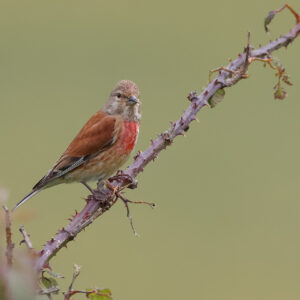
Linnet
🔍 Overview Common but decreasing resident and partial migrant. A finch of open countryside and coastal scrub, Linnets are declining in parts of Sussex but remain in farmland and heathlands. 🪶 Key Identification Features Size: Small (13–14 cm) Male Plumage: Grey head, red breast and forehead in breeding season Female/Non-breeding: Plain brown Bill: Slim...