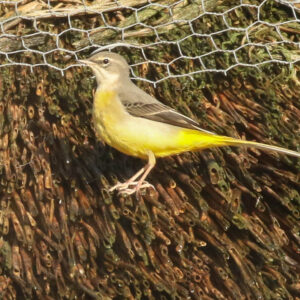
🔍 Overview A vibrant, long-tailed wagtail often found near fast-moving water, especially in upland Sussex streams and winter gardens. 🪶 Key Identification Features Size: Small (18–20 cm)Plumage: Grey back, bright yellow underparts (male), long tailDistinctive Marks: Constant tail waggingBill: Thin and pointedTail: Long and narrowFlight: Bouncy and fluttering 🗺️ Habitat & Distribution Rivers, streams, canals, and...
Location: Lower Adur SSSI
Great White Egret
🔍 Overview A striking, large white heron now increasingly regular in Sussex, both on migration and as a breeder. 🪶 Key Identification Features Pure white plumage Long yellow bill (turns black in breeding season) Taller than Little Egret with slow, majestic flight 🗺️ Habitat & Distribution Seen at Pulborough Brooks, Amberley Wild Brooks, and Rye...
Green Sandpiper
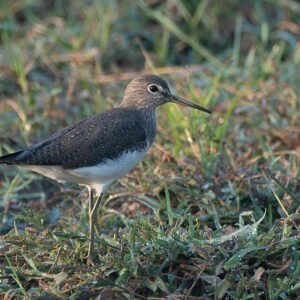
🔍 Overview Scarce spring and autumn passage migrant; more frequent in autumn; scarce in winter. A secretive, bobbing wader of wet woodland edges and inland pools, usually seen on migration. 🪶 Key Identification Features Dark green-brown above, white belly Short straight bill, greenish legs Contrasting white rump in flight 🗺️ Habitat & Distribution Spring and...
Greenshank
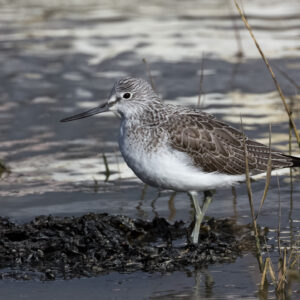
📍 Local Expert Tip “The Greenshank is generally a passage migrant in small numbers along the edge of the Estuary. However since 2019 a bird has wintered being faithful to the Houseboat Channel where it regularly chases its smaller cousins, the Redshanks, making them drop food items.” 🔍 Overview Elegant and long-legged, the Greenshank is a...
Great Tit
🔍 Overview A large, vocal tit common in Sussex gardens, woodlands, and parks year-round. 🪶 Key Identification Features Size: Medium (14 cm) Plumage: Yellow belly and green back Distinctive Marks: Black head and bib, white cheeks Bill: Robust Tail: Medium Flight: Bouncy 🗺️ Habitat & Distribution Everywhere—gardens, woodlands, hedgerows throughout Sussex. 🎶 Voice & Behaviour Two-syllable...
Great Black-backed Gull
📍 Local Expert Tip “The Great Black-backed Gull is the largest gull in the world and a frequent sight anywhere along the tideline and at low tide in the Adur Estuary around the Toll Bridge. Breeds locally but very under-recorded so do keep an eye on local rooftops including on industrial estates.” 🔍 Overview The largest...
Goosander
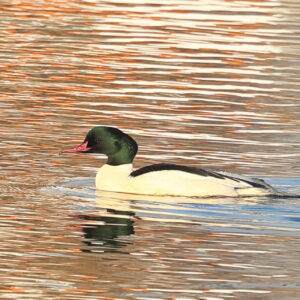
🔍 Overview A saw-billed diving duck seen in Sussex during the colder months. Hunts fish in clear, deep water. 🪶 Key Identification Features Male: White body, dark green head, red bill Female: Grey body, russet head, crest Long, narrow shape and low profile 🗺️ Habitat & Distribution Winters at Goring Gap, and along River Adur....
Golden Plover
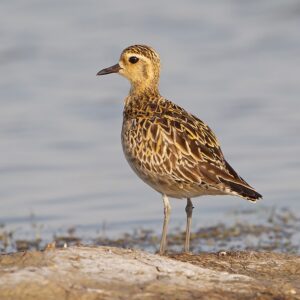
🔍 Overview Scarce passage migrant in Sussex found in farmland or coastal fields. 🪶 Key Identification Features Size: Medium (28–31 cm) Plumage (breeding): Mottled gold and black Non‑breeding: Grey with pale underparts Distinctive Marks: Black belly patch in spring Bill: Short and straight Flight: Fast and direct 🗺️ Habitat & Distribution Seen in wet grasslands, flooded...
Eurasian Wigeon
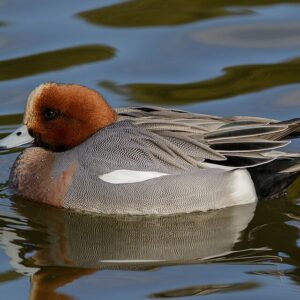
🔍 Overview A common and elegant winter duck, the Wigeon forms large flocks on Sussex wetlands. Easily identified by its whistling call. 🪶 Key Identification Features Size: Medium duck (45–51 cm)Plumage: Males: pinkish breast, cream crown; Females: light brownDistinctive Marks: Male’s yellow crown and whistling callBill: Short and bluishTail: NeatFlight: Strong, fast-winged 🗺️ Habitat &...
Eurasian Stonechat
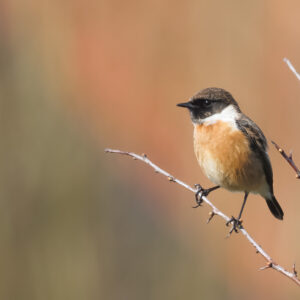
🔍 Overview A perky and charismatic bird, the Stonechat is a year-round resident of Sussex heathland, scrub, and coastal edges. 🪶 Key Identification Features Size: Small (11–13 cm)Plumage: Males: black head, orange chest; Females: browner overallDistinctive Marks: White neck patch (male), tail flickingBill: Fine and pointedTail: Black and often flickedFlight: Bouncy with short bursts 🗺️...