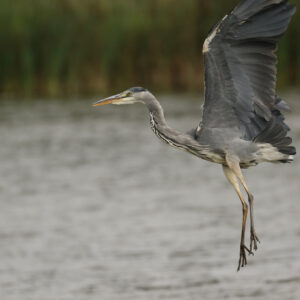
🔍 Overview A familiar, statuesque wader, the Grey Heron patrols Sussex waters year-round. Often seen standing motionless, waiting to strike. 🪶 Key Identification Features Size: Large (90–100 cm)Plumage: Grey body, white head with black crest stripeDistinctive Marks: S-shaped neck, long dagger-like billBill: Large and yellowishTail: Short and squareFlight: Slow wingbeats with tucked neck 🗺️ Habitat &...
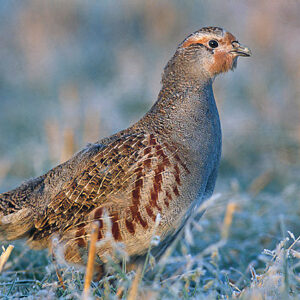
Grey Partridge
🔍 Overview A farmland bird once common across Sussex, now very scarce due to habitat loss and agricultural changes. Much declined but benefiting locally through conservation effort. 🪶 Key Identification Features Round-bodied, grey-brown bird Chestnut face and flank patches Short tail and quick, whirring flight 🗺️ Habitat & Distribution Rare and declining. Best chance in...
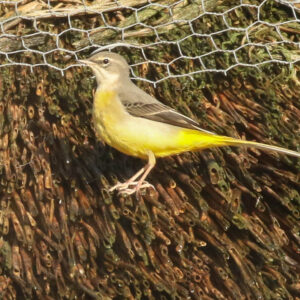
Grey Wagtail
🔍 Overview A vibrant, long-tailed wagtail often found near fast-moving water, especially in upland Sussex streams and winter gardens. 🪶 Key Identification Features Size: Small (18–20 cm)Plumage: Grey back, bright yellow underparts (male), long tailDistinctive Marks: Constant tail waggingBill: Thin and pointedTail: Long and narrowFlight: Bouncy and fluttering 🗺️ Habitat & Distribution Rivers, streams, canals, and...
Greylag Goose
🔍 Overview The ancestor of domestic geese, the Greylag Goose is common in Sussex pastures, lakes, and coastal marshes, often in large flocks. (Native population in UK is Amber listed species of medium conservation concern). 🪶 Key Identification Features Size: Large (74–84 cm)Plumage: Mottled grey, pale bellyDistinctive Marks: Pinkish bill, orange legsBill: Broad and orange-pinkTail: Short...
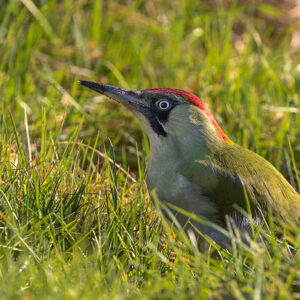
Green Woodpecker
🔍 Overview A colourful, ground-feeding woodpecker, frequently seen on lawns in Sussex, known locally as the “yaffle.” 🪶 Key Identification Features Size: Large (31 cm) Plumage: Green body, red crown, black around eyes/yellow rump Distinctive Marks: Red mustache stripe in males Bill: Long and pointed Tail: Stiff Flight: Slow, strong wingbeats 🗺️ Habitat & Distribution Common...
Greenfinch
🔍 Overview A stout, seed-eating finch common at Sussex feeders, especially in winter and spring. 🪶 Key Identification Features Size: Small (16 cm) Plumage: Olive-green with yellow wing and tail bars Distinctive Marks: Yellow patch at wing edge Bill: Thick and conical Tail: Medium Flight: Fast with bursts 🗺️ Habitat & Distribution Present in gardens, woodlands,...
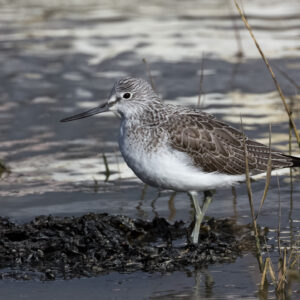
Greenshank
📍 Local Expert Tip “The Greenshank is generally a passage migrant in small numbers along the edge of the Estuary. However since 2019 a bird has wintered being faithful to the Houseboat Channel where it regularly chases its smaller cousins, the Redshanks, making them drop food items.” 🔍 Overview Elegant and long-legged, the Greenshank is a...
Great Spotted Woodpecker
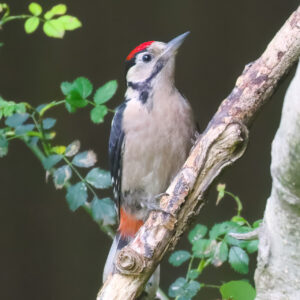
🔍 Overview A bold and familiar woodpecker in Sussex, frequenting woodlands, parks, and gardens throughout the year. 🪶 Key Identification Features Size: Medium (23 cm) Plumage: Black and white pattern, red under-tail Distinctive Marks: Adult male has red nape patch Bill: Strong and chisel-like Tail: Stiff for bracing Flight: Undulating 🗺️ Habitat & Distribution Widespread in...
Great Tit
🔍 Overview A large, vocal tit common in Sussex gardens, woodlands, and parks year-round. 🪶 Key Identification Features Size: Medium (14 cm) Plumage: Yellow belly and green back Distinctive Marks: Black head and bib, white cheeks Bill: Robust Tail: Medium Flight: Bouncy 🗺️ Habitat & Distribution Everywhere—gardens, woodlands, hedgerows throughout Sussex. 🎶 Voice & Behaviour Two-syllable...
Great Crested Grebe
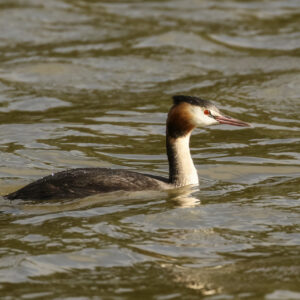
🔍 Overview Elegant and ornate, the Great Crested Grebe is a classic waterbird, known for its beautiful breeding display and slender profile. 🪶 Key Identification Features Size: Medium-large (46–51 cm)Plumage: White neck, black cap, chestnut and black face frillsDistinctive Marks: Elaborate head plumes (breeding)Bill: Long and pointedTail: Short and hiddenFlight: Rarely seen flying 🗺️ Habitat...