Month: June

Home » June » Page 9
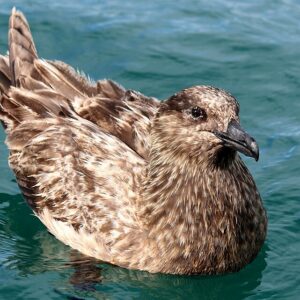
Great Black-backed Gull
Bird

Great Black-backed Gull

📍 Local Expert Tip “The Great Black-backed Gull is the largest gull in the world and a frequent sight anywhere along the tideline and at low tide in the Adur Estuary around the Toll Bridge. Breeds locally but very under-recorded so do keep an eye on local rooftops including on industrial estates.” 🔍 Overview The largest...

Goldfinch
Bird

Goldfinch

🔍 Overview Bright, musical, and common, the Goldfinch is one of Sussex’s most recognisable garden and countryside finches. 🪶 Key Identification Features Size: Small (12–13 cm)Plumage: Red face, gold wing flashes, black and white headDistinctive Marks: Vibrant red maskBill: Slim and pointedTail: ShortFlight: Bouncy and undulating 🗺️ Habitat & Distribution Widespread across Sussex gardens, hedgerows,...

Garden Warbler
Bird

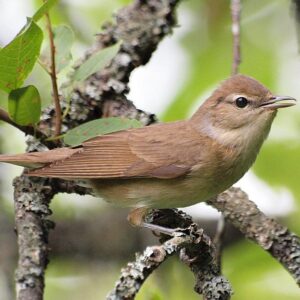
Garden Warbler

🔍 Overview A shy and secretive summer breeder in Sussex woodlands. Common in May–July, it’s more often heard than seen, with a rich, beautiful song. 🪶 Key Identification Features Size: Small (13–14 cm) Plumage: Plain olive‑brown upperparts, pale underparts Distinctive Marks: No facial markings—subtle and understated Bill: Thin and pointed Tail: Medium, rounded Flight: Weak and...

Goldcrest
Bird

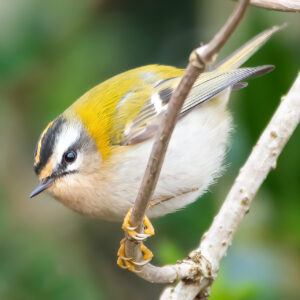
Goldcrest

🔍 Overview Britain’s smallest bird, flitting restlessly in Sussex conifer and mixed woodlands year‑round. 🪶 Key Identification Features Size: Tiny (8–9 cm) Plumage: Olive‑green above, buff below Distinctive Marks: Bright orange (male) or yellow (female) crest, black and white head stripes Bill: Very thin Tail: Very short Flight: Fast wingbeats with hovering habit 🗺️ Habitat &...

Firecrest
Bird

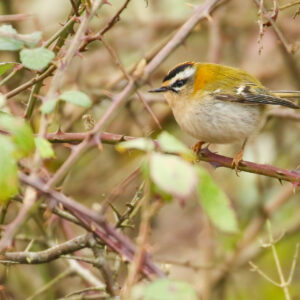
Firecrest

🔍 Overview One of Britain’s tiniest birds, the Firecrest is a gem of Sussex woodlands, especially in winter. Brilliant head markings and fast movement make it a joy to spot. 🪶 Key Identification Features Size: Tiny (9 cm)Plumage: Olive green, white underpartsDistinctive Marks: Striped face, orange crown stripe (male), bold white superciliumBill: Short and fineTail:...

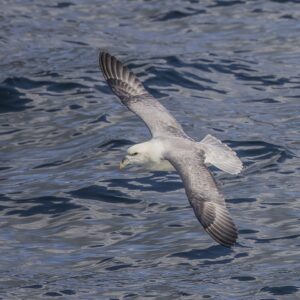
Fulmar
Bird

Fulmar

🔍 Overview A stiff-winged seabird seen gliding along Sussex cliffs and offshore waters, especially during spring and summer. 🪶 Key Identification Features Gull-like but with tubenose nostrils Pale grey wings, white head and body Stiff, straight-winged flight 🗺️ Habitat & Distribution Nests at Brighton Marina, Worthing Beaches, and Goring Gap. Often seen offshore in strong...

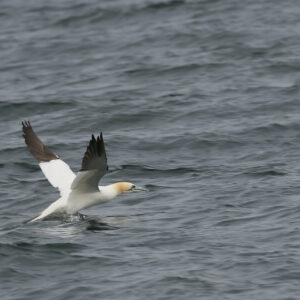
Gannet
Bird

Gannet

🔍 Overview The UK’s largest seabird, the Gannet is a spectacular sight off Sussex coasts, plunge-diving with dramatic speed during migration. 🪶 Key Identification Features Size: Large seabird (87–100 cm)Plumage: White with black wingtips, yellowish headDistinctive Marks: Long, pointed wings and tailBill: Long, dagger-likeTail: Long and pointedFlight: Long, gliding arcs 🗺️ Habitat & Distribution Seen...

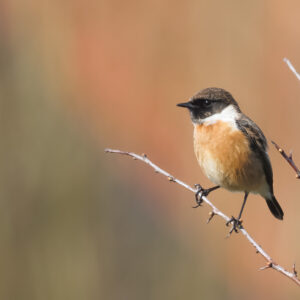
Eurasian Stonechat
Bird

Eurasian Stonechat

🔍 Overview A perky and charismatic bird, the Stonechat is a year-round resident of Sussex heathland, scrub, and coastal edges. 🪶 Key Identification Features Size: Small (11–13 cm)Plumage: Males: black head, orange chest; Females: browner overallDistinctive Marks: White neck patch (male), tail flickingBill: Fine and pointedTail: Black and often flickedFlight: Bouncy with short bursts 🗺️...

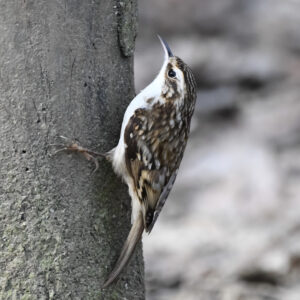
Eurasian Treecreeper
Bird

Eurasian Treecreeper

🔍 Overview Tiny and camouflaged, the Treecreeper is a specialist of Sussex woodland—often climbing up tree trunks hunting for insects. 🪶 Key Identification Features Size: Small (12–13 cm) Plumage: Brown streaked back, white underparts Distinctive Marks: Curved bill, stiff tail Bill: Down-curved and fine Tail: Thin and stiff Flight: Fluttery between trees 🗺️ Habitat &...