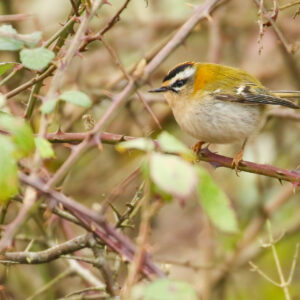
🔍 Overview A bold and familiar woodpecker in Sussex, frequenting woodlands, parks, and gardens throughout the year. 🪶 Key Identification Features Size: Medium (23 cm) Plumage: Black and white pattern, red under-tail Distinctive Marks: Adult male has red nape patch Bill: Strong and chisel-like Tail: Stiff for bracing Flight: Undulating 🗺️ Habitat & Distribution Widespread in...
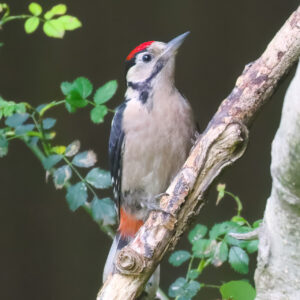
Great Tit
🔍 Overview A large, vocal tit common in Sussex gardens, woodlands, and parks year-round. 🪶 Key Identification Features Size: Medium (14 cm) Plumage: Yellow belly and green back Distinctive Marks: Black head and bib, white cheeks Bill: Robust Tail: Medium Flight: Bouncy 🗺️ Habitat & Distribution Everywhere—gardens, woodlands, hedgerows throughout Sussex. 🎶 Voice & Behaviour Two-syllable...
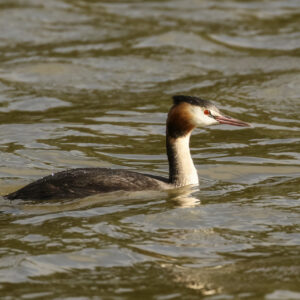
Great Crested Grebe
🔍 Overview Elegant and ornate, the Great Crested Grebe is a classic waterbird, known for its beautiful breeding display and slender profile. 🪶 Key Identification Features Size: Medium-large (46–51 cm)Plumage: White neck, black cap, chestnut and black face frillsDistinctive Marks: Elaborate head plumes (breeding)Bill: Long and pointedTail: Short and hiddenFlight: Rarely seen flying 🗺️ Habitat...
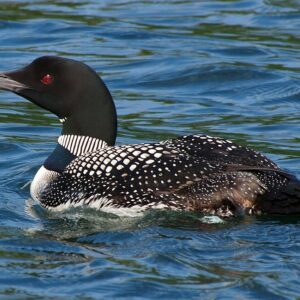
Great Northern Diver
Image Attribution: John Picken from Chicago, USA, CC BY 2.0, via Wikimedia Commons 🔍 Overview A large, impressive diver, mostly seen off the Sussex coast in winter. Known for its haunting breeding calls in summer range. 🪶 Key Identification Features Winter plumage: Blackish above, white below, large dagger-like bill Summer: Black-and-white checkered plumage (rare in...
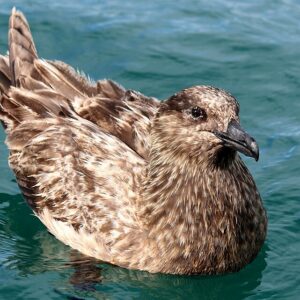
Great Skua
🔍 Overview Bold, powerful and unmistakable, the Great Skua (often known as the Bonxie) is the largest skua regularly seen in Sussex. An uncommon but regular passage migrant, it is seen mainly during autumn seawatches, with smaller numbers in spring. Unlike the more agile Arctic Skua, the Great Skua relies on its strength to dominate...
Great Black-backed Gull
📍 Local Expert Tip “The Great Black-backed Gull is the largest gull in the world and a frequent sight anywhere along the tideline and at low tide in the Adur Estuary around the Toll Bridge. Breeds locally but very under-recorded so do keep an eye on local rooftops including on industrial estates.” 🔍 Overview The largest...
Goldfinch
🔍 Overview Bright, musical, and common, the Goldfinch is one of Sussex’s most recognisable garden and countryside finches. 🪶 Key Identification Features Size: Small (12–13 cm)Plumage: Red face, gold wing flashes, black and white headDistinctive Marks: Vibrant red maskBill: Slim and pointedTail: ShortFlight: Bouncy and undulating 🗺️ Habitat & Distribution Widespread across Sussex gardens, hedgerows,...
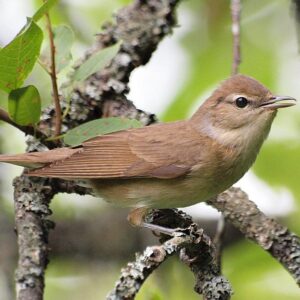
Garden Warbler
Image Attribution: Biillyboy, CC BY 2.0, via Wikimedia Commons 🔍 Overview A shy and secretive summer breeder in Sussex woodlands. Common in May–July, it’s more often heard than seen, with a rich, beautiful song. 🪶 Key Identification Features Size: Small (13–14 cm) Plumage: Plain olive‑brown upperparts, pale underparts Distinctive Marks: No facial markings—subtle and understated Bill:...
Garganey
🔍 Overview A scarce and elegant spring migrant, typically seen in Sussex from March to May. 🪶 Key Identification Features Male: Distinctive white eye-stripe, brown head, patterned flanks Female: Similar to female Teal but lacks clear facial markings Small, fast-flying dabbling duck 🗺️ Habitat & Distribution Best seen at Pulborough Brooks, Rye Harbour, and Arundel...
Goldcrest
🔍 Overview Britain’s smallest bird, flitting restlessly in Sussex conifer and mixed woodlands year‑round. 🪶 Key Identification Features Size: Tiny (8–9 cm) Plumage: Olive‑green above, buff below Distinctive Marks: Bright orange (male) or yellow (female) crest, black and white head stripes Bill: Very thin Tail: Very short Flight: Fast wingbeats with hovering habit 🗺️ Habitat &...