🔍 Overview A large, vocal tit common in Sussex gardens, woodlands, and parks year-round. 🪶 Key Identification Features Size: Medium (14 cm) Plumage: Yellow belly and green back Distinctive Marks: Black head and bib, white cheeks Bill: Robust Tail: Medium Flight: Bouncy 🗺️ Habitat & Distribution Everywhere—gardens, woodlands, hedgerows throughout Sussex. 🎶 Voice & Behaviour Two-syllable...
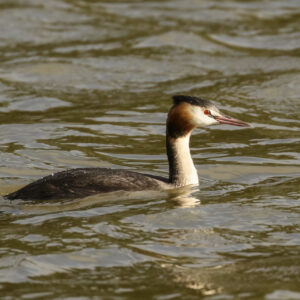
Great Crested Grebe
🔍 Overview Elegant and ornate, the Great Crested Grebe is a classic waterbird, known for its beautiful breeding display and slender profile. 🪶 Key Identification Features Size: Medium-large (46–51 cm)Plumage: White neck, black cap, chestnut and black face frillsDistinctive Marks: Elaborate head plumes (breeding)Bill: Long and pointedTail: Short and hiddenFlight: Rarely seen flying 🗺️ Habitat...
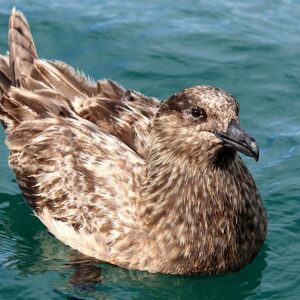
Great Skua
🔍 Overview Bold, powerful and unmistakable, the Great Skua (often known as the Bonxie) is the largest skua regularly seen in Sussex. An uncommon but regular passage migrant, it is seen mainly during autumn seawatches, with smaller numbers in spring. Unlike the more agile Arctic Skua, the Great Skua relies on its strength to dominate...
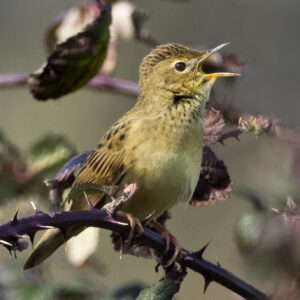
Grasshopper Warbler
🔍 Overview Elusive and skulking, the Grasshopper Warbler is a rare but fascinating summer migrant in Sussex, best located by its insect-like song. 🪶 Key Identification Features Size: Small (13–14 cm)Plumage: Brown with fine streakingDistinctive Marks: Plain face, flat crown, rounded wingsBill: Short and thinTail: Long and roundedFlight: Weak and fluttery 🗺️ Habitat & Distribution...
Great Black-backed Gull
📍 Local Expert Tip “The Great Black-backed Gull is the largest gull in the world and a frequent sight anywhere along the tideline and at low tide in the Adur Estuary around the Toll Bridge. Breeds locally but very under-recorded so do keep an eye on local rooftops including on industrial estates.” 🔍 Overview The largest...
Goldfinch
🔍 Overview Bright, musical, and common, the Goldfinch is one of Sussex’s most recognisable garden and countryside finches. 🪶 Key Identification Features Size: Small (12–13 cm)Plumage: Red face, gold wing flashes, black and white headDistinctive Marks: Vibrant red maskBill: Slim and pointedTail: ShortFlight: Bouncy and undulating 🗺️ Habitat & Distribution Widespread across Sussex gardens, hedgerows,...
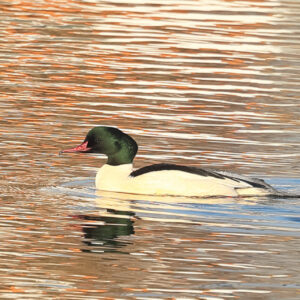
Goosander
🔍 Overview A saw-billed diving duck seen in Sussex during the colder months. Hunts fish in clear, deep water. 🪶 Key Identification Features Male: White body, dark green head, red bill Female: Grey body, russet head, crest Long, narrow shape and low profile 🗺️ Habitat & Distribution Winters at Goring Gap, and along River Adur....
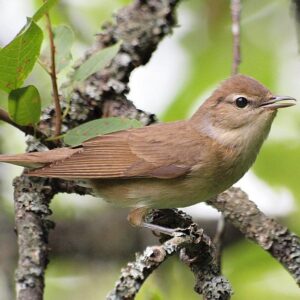
Garden Warbler
Image Attribution: Biillyboy, CC BY 2.0, via Wikimedia Commons 🔍 Overview A shy and secretive summer breeder in Sussex woodlands. Common in May–July, it’s more often heard than seen, with a rich, beautiful song. 🪶 Key Identification Features Size: Small (13–14 cm) Plumage: Plain olive‑brown upperparts, pale underparts Distinctive Marks: No facial markings—subtle and understated Bill:...
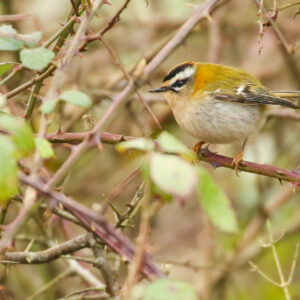
Goldcrest
🔍 Overview Britain’s smallest bird, flitting restlessly in Sussex conifer and mixed woodlands year‑round. 🪶 Key Identification Features Size: Tiny (8–9 cm) Plumage: Olive‑green above, buff below Distinctive Marks: Bright orange (male) or yellow (female) crest, black and white head stripes Bill: Very thin Tail: Very short Flight: Fast wingbeats with hovering habit 🗺️ Habitat &...
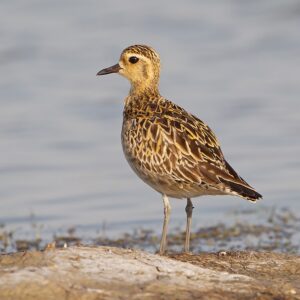
Golden Plover
Image Attribution: JJ Harrison (https://tiny.jjharrison.com.au/t/3CuTyj5LtxrKUxYI), CC BY-SA 3.0, via Wikimedia Commons 🔍 Overview Scarce passage migrant in Sussex found in farmland or coastal fields. 🪶 Key Identification Features Size: Medium (28–31 cm) Plumage (breeding): Mottled gold and black Non‑breeding: Grey with pale underparts Distinctive Marks: Black belly patch in spring Bill: Short and straight Flight: Fast and...