The Pintail is a sleek and elegant winter duck in Sussex, known for its long tail and graceful posture. A regular visitor to floodplains and estuaries. 🪶 Key Identification Features Size: Large (55–65 cm)Plumage: Chocolate-brown head (male), pale grey body, long tailDistinctive Marks: Needle-like tail, white neck stripeBill: Blue-greyTail: Long and pointed in malesFlight: Smooth and...
Location: Brighton Marina
Nightjar
An elusive summer visitor, the Nightjar haunts heathland and woodland clearings, emerging at dusk. 🪶 Key Identification Features Size: Medium (26–28 cm)Plumage: Cryptic grey-brownDistinctive Marks: White wing spots (male), long wingsBill: Short but wideTail: LongFlight: Silent, fluttering 🗺️ Habitat & Distribution Heathland and conifer plantations—especially Pulborough and Iping Common. 🎶 Voice & Behaviour Unmistakable “churring” trill...
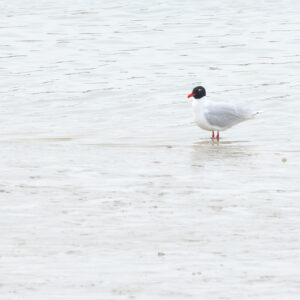
Mediterranean Gull
📍 Local Expert Tip “The Mediterranean Gull is a species undergoing a dramatic range expansion and now breeds in Sussex although not in the local area. However, in Spring the high tide gull roost at Goring Gap often contains Mediterranean Gulls of various ages allowing good views.” 🔍 Overview A once-rare visitor now increasingly common in...
Manx Shearwater
🔍 Overview A true ocean wanderer, the Manx Shearwater is seen passing Sussex headlands on migration—graceful and fast over waves.Fairly common spring to autumn passage migrant. 🪶 Key Identification Features Size: Medium seabird (30–38 cm)Plumage: Black above, white belowDistinctive Marks: Clean contrast in plumageBill: Thin and hookedTail: ShortFlight: Low glides with stiff wings 🗺️ Habitat &...
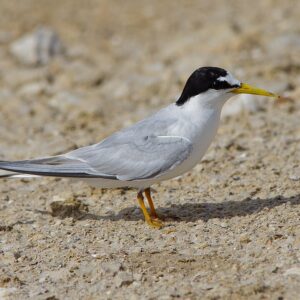
Little Tern
Image Attribution: El Golli Mohamed, CC BY-SA 4.0, via Wikimedia Commons 🔍 Overview A summer breeder on Sussex’s shingle beaches, the Little Tern is small, agile, and highly vocal. 🪶 Key Identification Features Size: Very small tern (22–24 cm)Plumage: Pale grey above, white belowDistinctive Marks: White forehead patch, yellow bill with black tipBill: Slender and pointedTail:...
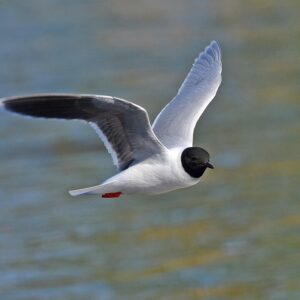
Little Gull
Image Attribution: Ekaterina Chernetsova (Papchinskaya) from Saint-Petersburg, Russia, CC BY 2.0, via Wikimedia Commons 🔍 Overview The smallest gull in the world, the Little Gull is a scarce but regular passage migrant along the Sussex coast. 🪶 Key Identification Features Size: Very small (25–29 cm)Plumage: Pale grey back, black underwings (adult), dark smudge on headDistinctive Marks:...
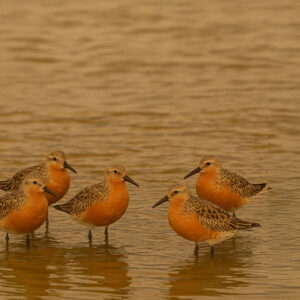
Knot
🔍 Overview A gorgeous winter wader, the Knot in plumage can appear almost white or deep cinnamon in spring plumage along coastlines. 🪶 Key Identification Features Size: Stocky wader (23–26 cm)Plumage: Mottled grey/white, red-brown breeding plumageDistinctive Marks: Short, straight billBill: Short and straightTail: Short and roundFlight: Barking calls in low flocks 🗺️ Habitat & Distribution Wintering...
Kittiwake
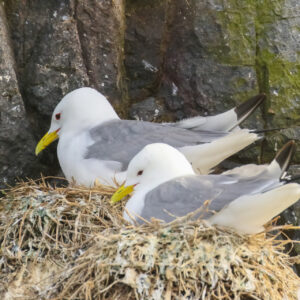
🔍 Overview A delicate, cliff-loving gull, the Kittiwake may be seen from Sussex headlands during passage or following ships. Common but very localised breeding species; fairly common or common winter visitor and passage migrant. Rare away from coast. 🪶 Key Identification Features Size: Medium (37–40 cm)Plumage: White with grey wings and dark wingtipsDistinctive Marks: Thin, forked...
Herring Gull
🔍 Overview A large and familiar gull, breeding on Sussex coast and present year-round on coastal and inland water bodies. 🪶 Key Identification Features Size: Large (55–66 cm) Plumage: Light grey back, white body Distinctive Marks: Pink legs, yellow bill with red spot Bill: Long and robust Tail: Square Flight: Powerful, gliding 🗺️ Habitat & Distribution...
Great Skua
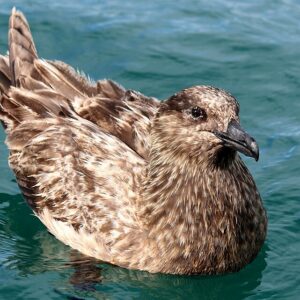
🔍 Overview Bold, powerful and unmistakable, the Great Skua (often known as the Bonxie) is the largest skua regularly seen in Sussex. An uncommon but regular passage migrant, it is seen mainly during autumn seawatches, with smaller numbers in spring. Unlike the more agile Arctic Skua, the Great Skua relies on its strength to dominate...