🔍 Overview Nicknamed the “sea swallow,” the Common Tern is a graceful summer breeder in Sussex, nesting on shingle islands and lagoons. 🪶 Key Identification Features Size: Medium (31–35 cm)Plumage: Pale grey with black capDistinctive Marks: Long wings, forked tail, red bill with black tipBill: Slim and pointedTail: Deeply forkedFlight: Agile, buoyant 🗺️ Habitat &...
Common Whitethroat
🔍 Overview A lively warbler of Sussex hedgerows and scrub, the Whitethroat is known for its chattering song and concealed habitat preference. 🪶 Key Identification Features Size: Small (13–14 cm) Plumage: Grey head, reddish-brown back, white throat Distinctive Marks: White throat contrasting with grey head Bill: Thin and pointed Tail: Medium Flight: Short bursts with...
Common Redshank
📍 Local Expert Tip “The Estuary around the Ferry Bridge, Norfolk Bridge and RSPB Adur sections are favoured areas as is the area between the Railway and Old Toll Bridges. Widewater Lagoon is another reliable spot for relatively close sightings.” 🔍 Overview A medium-sized wader with striking red legs and a black-tipped red bill, the...
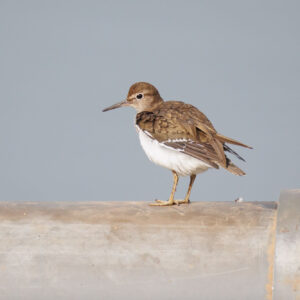
Common Sandpiper
📍 Local Expert Tip “The Common Sandpiper is a passage migrant with birds visible anywhere along the river. However, the section around the old Cement Works is a reliable section and if any birds overwinter then this is the place to find them.” 🔍 Overview A familiar passage wader in Sussex, seen by rivers, lakes, and...
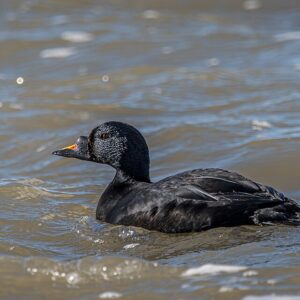
Common Scoter
🔍 Overview The Common Scoter is a sea duck seen off the Sussex coast in winter or on spring migration. Usually in flocks, often distant offshore. 🪶 Key Identification Features Size: Medium (44–48 cm)Plumage: Males: black; Females: brown with paler cheeksDistinctive Marks: Males have a yellow bump at bill baseBill: Broad and darkTail: ShortFlight: Fast...
Common Shelduck
🔍 Overview Large, bold, and elegant, the Common Shelduck is often seen on Sussex estuaries and coastal lagoons, particularly at low tide. 🪶 Key Identification Features Size: Large duck (58–67 cm)Plumage: White with dark green head and chestnut breast bandDistinctive Marks: Red bill with knob on malesBill: Red, slightly upturnedTail: White with dark terminal bandFlight:...
Common Guillemot
🔍 Overview A sleek seabird, the Common Guillemot is mostly seen off Sussex during winter or on spring sea-watches, though breeding colonies lie further west. Last bred in 1904. 🪶 Key Identification Features Size: Medium (38–43 cm)Plumage: Chocolate-brown head and back, white underpartsDistinctive Marks: Thin bill, upright posture when perchedBill: Slim and blackTail: Very shortFlight:...
Common Nightingale
🔍 Overview Renowned for its rich, powerful song, the Nightingale is a special summer visitor to Sussex. A priority species with strongholds in dense thickets and scrubland. 🪶 Key Identification Features Size: Small (15–17 cm)Plumage: Warm brown with reddish tailDistinctive Marks: Unmarked face, plain plumageBill: Fine, darkTail: Reddish and roundedFlight: Low and darting 🗺️ Habitat...
Common Chiffchaff
🔍 Overview A small, greenish warbler, arriving in Sussex each spring. Known for its rhythmic, onomatopoeic “chiff-chaff” song. 🪶 Key Identification Features Size: Very small (10–12 cm) Plumage: Olive-grey above, pale below Distinctive Marks: Weak eye-stripe, greenish tones Bill: Thin and pointed Tail: Short Flight: Fluttery and hesitant 🗺️ Habitat & Distribution Found in woodlands,...
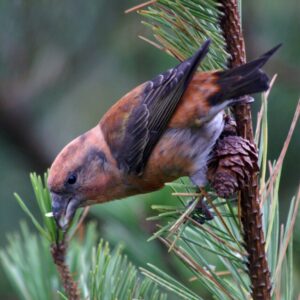
Common Crossbill
🔍 Overview A chunky finch with a unique bill adapted for extracting conifer seeds. Irregular breeder and irruptive winter visitor in Sussex. 🪶 Key Identification Features Male: Brick-red body Female/juvenile: Greenish or yellow Other: Thick neck, crossed bill tips, heavy head 🗺️ Habitat & Distribution Best found in pine plantations like Ashdown Forest, St Leonard’s...