🔍 Overview A striking summer migrant, the Common Redstart is a woodland gem in Sussex. Males are vibrant, and the species nests in old tree holes and clearings. 🪶 Key Identification Features Size: Small (13–14 cm)Plumage: Males: orange chest, grey back, black face; Females dullerDistinctive Marks: Flashing red tail, white forehead in malesBill: Thin and...
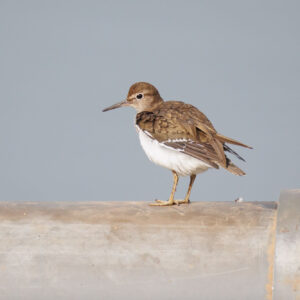
Common Sandpiper
📍 Local Expert Tip “The Common Sandpiper is a passage migrant with birds visible anywhere along the river. However, the section around the old Cement Works is a reliable section and if any birds overwinter then this is the place to find them.” 🔍 Overview A familiar passage wader in Sussex, seen by rivers, lakes, and...
Common Scoter
🔍 Overview The Common Scoter is a sea duck seen off the Sussex coast in winter or on spring migration. Usually in flocks, often distant offshore. 🪶 Key Identification Features Size: Medium (44–48 cm)Plumage: Males: black; Females: brown with paler cheeksDistinctive Marks: Males have a yellow bump at bill baseBill: Broad and darkTail: ShortFlight: Fast...
Common Shelduck
🔍 Overview Large, bold, and elegant, the Common Shelduck is often seen on Sussex estuaries and coastal lagoons, particularly at low tide. 🪶 Key Identification Features Size: Large duck (58–67 cm)Plumage: White with dark green head and chestnut breast bandDistinctive Marks: Red bill with knob on malesBill: Red, slightly upturnedTail: White with dark terminal bandFlight:...
Common Eider
🔍 Overview Britain’s heaviest duck, more common in northern UK but occasionally seen off Sussex coasts. Scarce winter visitor and passage migrant; very scarce non-breeder in summer. 🪶 Key Identification Features Male: Bold black and white plumage with green nape Female: Mottled brown, heavy build Other: Long, sloping bill 🗺️ Habitat & Distribution Infrequent offshore...
Common Guillemot
🔍 Overview A sleek seabird, the Common Guillemot is mostly seen off Sussex during winter or on spring sea-watches, though breeding colonies lie further west. Last bred in 1904. 🪶 Key Identification Features Size: Medium (38–43 cm)Plumage: Chocolate-brown head and back, white underpartsDistinctive Marks: Thin bill, upright posture when perchedBill: Slim and blackTail: Very shortFlight:...
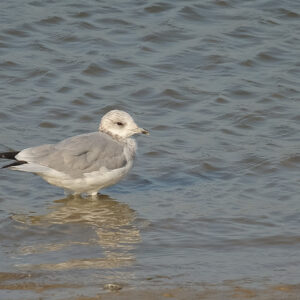
Common Gull
🔍 Overview A medium-sized gull frequenting Sussex coasts, estuaries, and inland waters—different from the larger black-headed and herring gulls. 🪶 Key Identification Features Size: Medium (42–45 cm) Plumage: Slim build, pale grey back Distinctive Marks: Greenish-yellow legs, dark wingtips Bill: Yellow with dark tip Tail: Square Flight: Light, buoyant glide 🗺️ Habitat & Distribution Seen...
Common Chiffchaff
🔍 Overview A small, greenish warbler, arriving in Sussex each spring. Known for its rhythmic, onomatopoeic “chiff-chaff” song. 🪶 Key Identification Features Size: Very small (10–12 cm) Plumage: Olive-grey above, pale below Distinctive Marks: Weak eye-stripe, greenish tones Bill: Thin and pointed Tail: Short Flight: Fluttery and hesitant 🗺️ Habitat & Distribution Found in woodlands,...
Common Crossbill
🔍 Overview A chunky finch with a unique bill adapted for extracting conifer seeds. Irregular breeder and irruptive winter visitor in Sussex. 🪶 Key Identification Features Male: Brick-red body Female/juvenile: Greenish or yellow Other: Thick neck, crossed bill tips, heavy head 🗺️ Habitat & Distribution Best found in pine plantations like Ashdown Forest, St Leonard’s...
Collared Dove
🔍 Overview A soft-toy-sized dove commonly seen in Sussex gardens and villages. Notable for its gentle cooing and distinctive black neck collar. 🪶 Key Identification Features Size: Medium (32 cm) Plumage: Pale grey-beige Distinctive Marks: Black half-collar on nape, white-edged tail Bill: Small and black Tail: Long and square-tipped Flight: Steady and direct 🗺️ Habitat...