🔍 Overview A shy and rare reedbed resident, hard to see but occasionally present in Sussex. Known for its booming call. 🪶 Key Identification Features Cryptic, streaked brown plumage Stocky body, thick neck, dagger-like bill Often freezes with neck raised 🗺️ Habitat & Distribution Winter visitor and rare breeder in large reedbeds like Rye Harbour,...
Location: Upper Adur Valley
Coot
🔍 Overview Common and unmistakable, the Coot is a year-round resident of Sussex ponds, lakes, and rivers. Not as friendly as it looks! 🪶 Key Identification Features Size: Medium (36–38 cm)Plumage: All-black bodyDistinctive Marks: White bill and forehead shieldBill: White, shortTail: Short and hiddenFlight: Laboured, with long running take-off 🗺️ Habitat & Distribution Widespread on...
Cormorant
🔍 Overview A sleek fisher and silhouette of Sussex rivers, lakes, and coast. The Cormorant is an adaptable and widespread bird often seen drying its wings. 🪶 Key Identification Features Size: Large (80–100 cm)Plumage: Dark, glossy black with greenish sheenDistinctive Marks: Hooked bill, yellow throat patchBill: Long, hookedTail: Long and wedge-shapedFlight: Straight, low over water...
Common Snipe
📍 Local Expert Tip “The Snipe is a winter visitor from October to April with a peak in January and February. Often difficult to see but on high tides flocks of more than 100 get flushed out of the salt marsh in the RSPB Adur section and become more visible when viewing from the Norfolk Bridge.”...
Common Starling
🔍 Overview Shiny and social, the Starling is a brilliant presence in Sussex fields and gardens. Known for its iridescent plumage and murmuring flocks. 🪶 Key Identification Features Size: Medium (20–22 cm) Plumage: Iridescent black with metallic purple/green sheen, speckled in winter Distinctive Marks: Pinkish legs Bill: Yellow in summer, dark in winter Tail: Short...
Common Swift
🔍 Overview The quintessential summer sky-dweller in Sussex, Swifts arrive in May and leave by August. Spend nearly all daylight hours on the wing. 🪶 Key Identification Features Size: Medium (16–17 cm) Plumage: Uniform dark brown Distinctive Marks: Scythe-shaped wings, forked silhouette Bill: Very small Tail: Deeply forked but short Flight: Fast, acrobatic 🗺️ Habitat...
Common Whitethroat
🔍 Overview A lively warbler of Sussex hedgerows and scrub, the Whitethroat is known for its chattering song and concealed habitat preference. 🪶 Key Identification Features Size: Small (13–14 cm) Plumage: Grey head, reddish-brown back, white throat Distinctive Marks: White throat contrasting with grey head Bill: Thin and pointed Tail: Medium Flight: Short bursts with...
Common Sandpiper
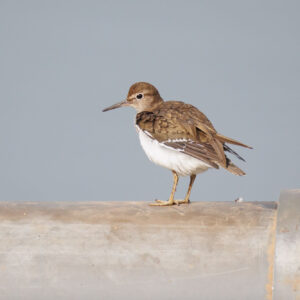
📍 Local Expert Tip “The Common Sandpiper is a passage migrant with birds visible anywhere along the river. However, the section around the old Cement Works is a reliable section and if any birds overwinter then this is the place to find them.” 🔍 Overview A familiar passage wader in Sussex, seen by rivers, lakes, and...
Common Shelduck
🔍 Overview Large, bold, and elegant, the Common Shelduck is often seen on Sussex estuaries and coastal lagoons, particularly at low tide. 🪶 Key Identification Features Size: Large duck (58–67 cm)Plumage: White with dark green head and chestnut breast bandDistinctive Marks: Red bill with knob on malesBill: Red, slightly upturnedTail: White with dark terminal bandFlight:...
Common Nightingale
🔍 Overview Renowned for its rich, powerful song, the Nightingale is a special summer visitor to Sussex. A priority species with strongholds in dense thickets and scrubland. 🪶 Key Identification Features Size: Small (15–17 cm)Plumage: Warm brown with reddish tailDistinctive Marks: Unmarked face, plain plumageBill: Fine, darkTail: Reddish and roundedFlight: Low and darting 🗺️ Habitat...