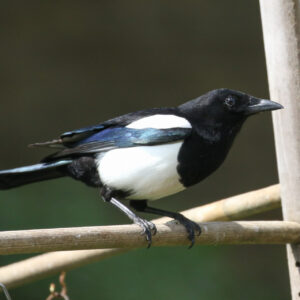
🔍 Overview A familiar black-and-white bird in Sussex gardens and fields, with a reputation for intelligence and bold behaviour. 🪶 Key Identification Features Size: Medium-large (44–46 cm) Plumage: Black and white with iridescent green and blue wing and tail sheen Bill: Large and strong Tail: Long and wedge-shaped Flight: Steady, fluttery with long glides 🗺️...
Little Grebe
🔍 Overview Also known as “Dabchick,” the Little Grebe is a small, round diving bird commonly found on Sussex ponds and lakes. 🪶 Key Identification Features Size: Tiny (25–29 cm)Plumage: Chestnut neck, dark back in summer; duller in winterDistinctive Marks: Puffy shape, hidden tailBill: Short and pointedTail: Virtually absentFlight: Rarely flies; prefers diving 🗺️ Habitat &...
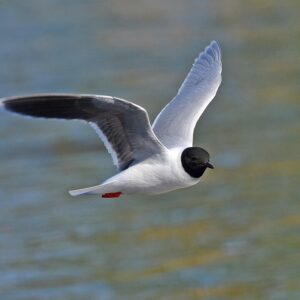
Little Gull
🔍 Overview The smallest gull in the world, the Little Gull is a scarce but regular passage migrant along the Sussex coast. 🪶 Key Identification Features Size: Very small (25–29 cm)Plumage: Pale grey back, black underwings (adult), dark smudge on headDistinctive Marks: Short black bill, dainty buildBill: Thin and darkTail: SquareFlight: Buoyant, tern-like flight 🗺️ Habitat...
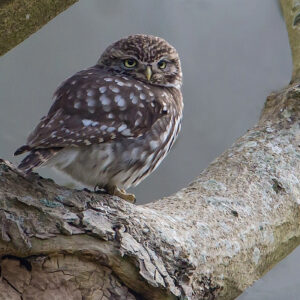
Little Owl
🔍 Overview A charming, stocky owl introduced to Britain in the 19th century. Now widespread in Sussex farmland and parkland. 🪶 Key Identification Features Small, rounded body Yellow eyes with expressive white eyebrows Short tail, direct flight 🗺️ Habitat & Distribution Favors open countryside with trees, barns, or old orchards. Seen in Upper Adur Valley,...
Little Ringed Plover
🔍 Overview A dainty wader that breeds on bare, stony ground. Summer visitor and breeder in parts of Sussex. 🪶 Key Identification Features Sandy brown upperparts, white belly Bright yellow eye-ring Smaller and darker than Ringed Plover 🗺️ Habitat & Distribution Breeds at gravel pits, reservoirs, and quarries, including Arlington Reservoir and Rye Harbour. 🎶...
Lesser Black-backed Gull
🔍 Overview A powerful gull with dark slate-grey back, the Lesser Black-backed Gull winters along Sussex coast and inland waters. Scarce breeder. 🪶 Key Identification Features Size: Large gull (55–60 cm)Plumage: White body; dark grey backDistinctive Marks: Yellow legs, white headBill: Yellow with red spotTail: White with dark bandFlight: Strong, steady glides 🗺️ Habitat & Distribution...
Lesser Whitethroat
📍 Local Expert Tip “The Lesser Whitethroat locally, is far less common than Common Whitethroat and much more elusive. Best found by learning its song and then patiently waiting for a view. Mill Hill generally has 2 – 3 pairs and the Downs Link path heading north from the A27 is another reliable location.” 🔍 Overview...
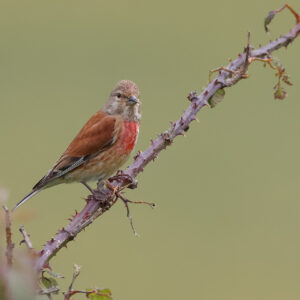
Linnet
🔍 Overview Common but decreasing resident and partial migrant. A finch of open countryside and coastal scrub, Linnets are declining in parts of Sussex but remain in farmland and heathlands. 🪶 Key Identification Features Size: Small (13–14 cm) Male Plumage: Grey head, red breast and forehead in breeding season Female/Non-breeding: Plain brown Bill: Slim...
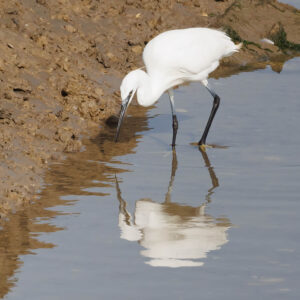
Little Egret
🔍 Overview Now a familiar sight across Sussex wetlands. First bred in the UK in the 1990s and has spread rapidly. 🪶 Key Identification Features All white plumage Long black bill, black legs, yellow feet Elegant and slender with neck held in an “S” shape 🗺️ Habitat & Distribution Widespread at Adur Valley, Widewater, Goring...
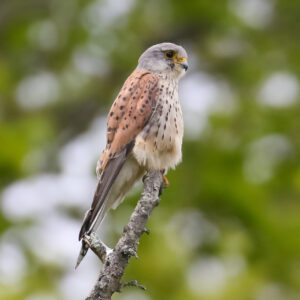
Kestrel
🔍 Overview A familiar falcon, the Kestrel hovers vigilantly over Sussex fields and roadsides, searching for small prey. 🪶 Key Identification Features Size: Medium raptor (34–38 cm)Plumage: Reddish-brown back, grey head (male)Distinctive Marks: Hovering behaviourBill: HookedTail: Long, fannedFlight: Stays stationary in wind 🗺️ Habitat & Distribution Open farmland, roadside verges, heathland — look near Cissbury Ring...