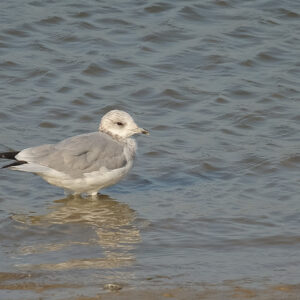
🔍 Overview A medium-sized gull frequenting Sussex coasts, estuaries, and inland waters—different from the larger black-headed and herring gulls. 🪶 Key Identification Features Size: Medium (42–45 cm) Plumage: Slim build, pale grey back Distinctive Marks: Greenish-yellow legs, dark wingtips Bill: Yellow with dark tip Tail: Square Flight: Light, buoyant glide 🗺️ Habitat & Distribution Seen...
Common Nightingale
🔍 Overview Renowned for its rich, powerful song, the Nightingale is a special summer visitor to Sussex. A priority species with strongholds in dense thickets and scrubland. 🪶 Key Identification Features Size: Small (15–17 cm)Plumage: Warm brown with reddish tailDistinctive Marks: Unmarked face, plain plumageBill: Fine, darkTail: Reddish and roundedFlight: Low and darting 🗺️ Habitat...
Common Chiffchaff
🔍 Overview A small, greenish warbler, arriving in Sussex each spring. Known for its rhythmic, onomatopoeic “chiff-chaff” song. 🪶 Key Identification Features Size: Very small (10–12 cm) Plumage: Olive-grey above, pale below Distinctive Marks: Weak eye-stripe, greenish tones Bill: Thin and pointed Tail: Short Flight: Fluttery and hesitant 🗺️ Habitat & Distribution Found in woodlands,...
Common Crossbill
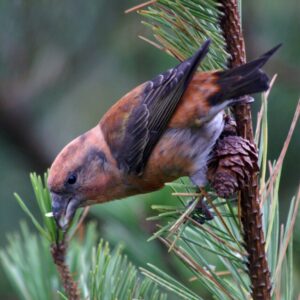
Image Attribution: Common Crossbill (Loxia curvirostra), Baltasound by Mike Pennington, CC BY-SA 2.0, via Wikimedia Commons 🔍 Overview A chunky finch with a unique bill adapted for extracting conifer seeds. Irregular breeder and irruptive winter visitor in Sussex. 🪶 Key Identification Features Male: Brick-red body Female/juvenile: Greenish or yellow Other: Thick neck, crossed bill tips, heavy...
Common Cuckoo
🔍 Overview Harbinger of spring, the Common Cuckoo is famous for its call and brood parasitism. A declining summer visitor to Sussex heathlands and open woodland. 🪶 Key Identification Features Size: Medium (32–34 cm)Plumage: Grey above, pale barred underpartsDistinctive Marks: Long tail, pointed wingsBill: Slim and slightly down-curvedTail: Long, slightly notchedFlight: Swift and falcon-like 🗺️...
Collared Dove
🔍 Overview A soft-toy-sized dove commonly seen in Sussex gardens and villages. Notable for its gentle cooing and distinctive black neck collar. 🪶 Key Identification Features Size: Medium (32 cm) Plumage: Pale grey-beige Distinctive Marks: Black half-collar on nape, white-edged tail Bill: Small and black Tail: Long and square-tipped Flight: Steady and direct 🗺️ Habitat...
Common Buzzard
🔍 Overview Once rare, the Common Buzzard is now Sussex’s most widespread raptor. Often seen circling high above woodland and farmland, especially in spring. 🪶 Key Identification Features Size: Medium-large (51–57 cm)Plumage: Variable brown with paler underpartsDistinctive Marks: Broad wings, short fan-shaped tailBill: HookedTail: Broad, often fanned in flightFlight: Soaring and gliding on thermals 🗺️...
Cetti’s Warbler
📍 Local Expert Tip “The Cetti’s Warbler is a relatively recent coloniser from the Continent and can be reliably found at Brooklands Park, along the stream and around the lake, where its explosive call gives away its location. Good views are few and far between however as it is a notorious skulker in thick bushes.” 🔍...
Chaffinch
🔍 Overview One of the most colourful and common finches in Sussex. Males are especially bright in spring. Found in gardens, woodlands, and farmland year-round. 🪶 Key Identification Features Size: Small (14–15 cm) Plumage: Male – pink breast, blue-grey head; Female – duller brown Distinctive Marks: White wing bars and outer tail Bill: Short and...
Coal Tit
🔍 Overview A small, agile woodland bird that often joins mixed flocks in Sussex woodlands and gardens. Less bold than the blue tit but just as active and vocal. 🪶 Key Identification Features Size: Small (11.5 cm) Plumage: Grey back, buff underparts Distinctive Marks: Black cap, white cheeks, and distinctive white nape patch Bill: Small...