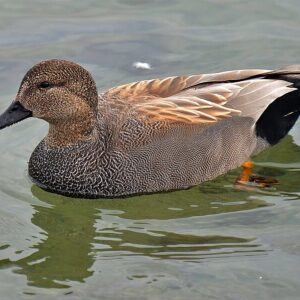
🔍 Overview A subtly beautiful dabbling duck, found across Sussex wetlands in winter and breeding in select sites. Very scarce breeder and scarce summer non-breeder; fairly common winter visitor; scarce on observed passage. 🪶 Key Identification Features Male: Grey body, black rump, white wing patch Female: Looks like a darker Mallard Both: Neat, understated appearance...
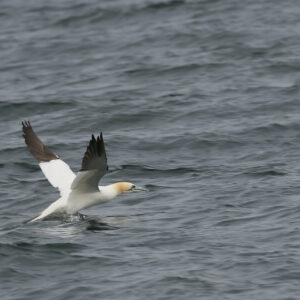
Gannet
🔍 Overview The UK’s largest seabird, the Gannet is a spectacular sight off Sussex coasts, plunge-diving with dramatic speed during migration. 🪶 Key Identification Features Size: Large seabird (87–100 cm)Plumage: White with black wingtips, yellowish headDistinctive Marks: Long, pointed wings and tailBill: Long, dagger-likeTail: Long and pointedFlight: Long, gliding arcs 🗺️ Habitat & Distribution Seen...
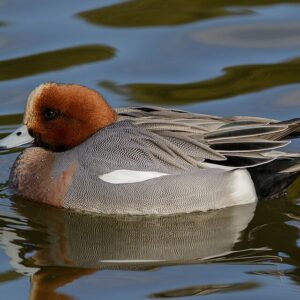
Eurasian Wigeon
🔍 Overview A common and elegant winter duck, the Wigeon forms large flocks on Sussex wetlands. Easily identified by its whistling call. 🪶 Key Identification Features Size: Medium duck (45–51 cm)Plumage: Males: pinkish breast, cream crown; Females: light brownDistinctive Marks: Male’s yellow crown and whistling callBill: Short and bluishTail: NeatFlight: Strong, fast-winged 🗺️ Habitat &...
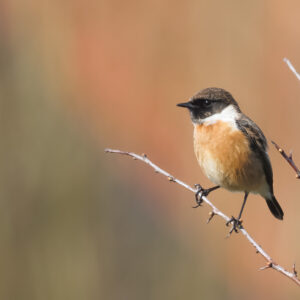
Eurasian Stonechat
🔍 Overview A perky and charismatic bird, the Stonechat is a year-round resident of Sussex heathland, scrub, and coastal edges. 🪶 Key Identification Features Size: Small (11–13 cm)Plumage: Males: black head, orange chest; Females: browner overallDistinctive Marks: White neck patch (male), tail flickingBill: Fine and pointedTail: Black and often flickedFlight: Bouncy with short bursts 🗺️...
Eurasian Teal
🔍 Overview The UK’s smallest dabbling duck, the Teal is a common winter visitor to Sussex wetlands. Males are striking, females subtly patterned. 🪶 Key Identification Features Size: Small duck (34–38 cm)Plumage: Males: chestnut head with green stripe; Females: mottled brownDistinctive Marks: Green wing patch (speculum)Bill: Small and darkTail: Neat, pointedFlight: Fast with rapid wingbeats...
Eurasian Treecreeper
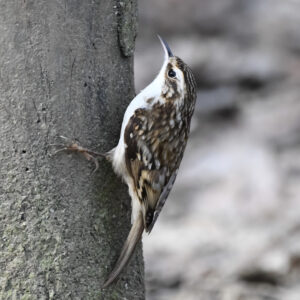
🔍 Overview Tiny and camouflaged, the Treecreeper is a specialist of Sussex woodland—often climbing up tree trunks hunting for insects. 🪶 Key Identification Features Size: Small (12–13 cm) Plumage: Brown streaked back, white underparts Distinctive Marks: Curved bill, stiff tail Bill: Down-curved and fine Tail: Thin and stiff Flight: Fluttery between trees 🗺️ Habitat &...
Eurasian Whimbrel
📍 Local Expert Tip “The Whimbrel is a regular Spring and Autumn passage migrant with a few birds likely present most days from mid-April to end of May and again from mid-July to until end of September. Occasionally a bird will winter on the Adur Estuary.” 🔍 Overview A rare but regular spring and autumn passage...
Dartford Warbler
🔍 Overview A local Sussex speciality and year-round resident of heathland. A small, dark warbler with a big personality. 🪶 Key Identification Features Male: Dark grey above, reddish below, red eye Female: Browner and paler Other: Long tail often cocked upright 🗺️ Habitat & Distribution Confined to heathland sites like Ashdown Forest, Iping Common, and...
Dunlin
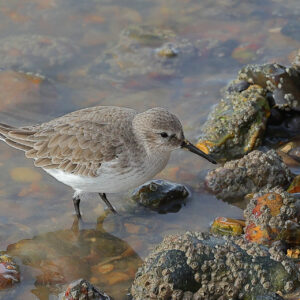
📍 Local Expert Tip “The Dunlin is much declined but a regular winter flock present on the mudflats opposite Coronation Green / Town Quay and between the Railway and Toll Bridges. Passage birds in breeding plumage turn up in Spring, often seen on the river edge anywhere between the Ferry Bridge and Toll Bridge.” 🔍 Overview...
Dunnock
🔍 Overview A shy, understated passerine of Sussex gardens and shrubberies. Often mistaken for a sparrow, but with a skittish, furtive nature. 🪶 Key Identification Features Size: Small (14 cm) Plumage: Brown-streaked back, grey head, breast and throat Distinctive Marks: Plain grey face with thin bill Bill: Slender Tail: Medium Flight: Low and direct 🗺️...