🔍 Overview A non-native species now breeding freely in parts of Sussex. Recognisable and increasingly widespread. 🪶 Key Identification Features Pale buff plumage with dark chest patch Eye-ring and chestnut eye patch Pink legs, loud honking call 🗺️ Habitat & Distribution Most frequent around Pulborough Brooks, Upper Adur Valley, and Brooklands, lakes and reservoirs. Present...
Eurasian Bittern
🔍 Overview A shy and rare reedbed resident, hard to see but occasionally present in Sussex. Known for its booming call. 🪶 Key Identification Features Cryptic, streaked brown plumage Stocky body, thick neck, dagger-like bill Often freezes with neck raised 🗺️ Habitat & Distribution Winter visitor and rare breeder in large reedbeds like Rye Harbour,...
Coot
🔍 Overview Common and unmistakable, the Coot is a year-round resident of Sussex ponds, lakes, and rivers. Not as friendly as it looks! 🪶 Key Identification Features Size: Medium (36–38 cm)Plumage: All-black bodyDistinctive Marks: White bill and forehead shieldBill: White, shortTail: Short and hiddenFlight: Laboured, with long running take-off 🗺️ Habitat & Distribution Widespread on...
Cormorant
🔍 Overview A sleek fisher and silhouette of Sussex rivers, lakes, and coast. The Cormorant is an adaptable and widespread bird often seen drying its wings. 🪶 Key Identification Features Size: Large (80–100 cm)Plumage: Dark, glossy black with greenish sheenDistinctive Marks: Hooked bill, yellow throat patchBill: Long, hookedTail: Long and wedge-shapedFlight: Straight, low over water...
Corn Bunting
📍 Local Expert Tip “The Corn Bunting is the ‘Fat Man of the Barley’ suffered massive declines nationally. Sussex remains a stronghold and Steep Down, north of Lancing Ring is one of the most reliable places in the county to see and hear this iconic farmland bird.” 🔍 Overview A farmland specialist, the Corn Bunting is...
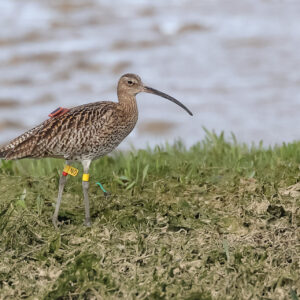
Curlew
🔍 Overview The largest wader regularly recorded in Sussex, the Curlew’s haunting call is a highlight of coastal reserves and estuaries. 🪶 Key Identification Features Size: Large (50–60 cm) Plumage: Mottled brown Distinctive Marks: Very long, down-curved bill Bill: Long and curved Tail: Short and rounded Flight: Slow with deliberate wingbeats 🗺️ Habitat & Distribution...
Curlew Sandpiper
🔍 Overview A scarce passage wader, most often seen in Sussex during autumn. Breeds in Arctic Siberia and winters in Africa. 🪶 Key Identification Features Breeding plumage: Reddish underparts, long downcurved bill Non-breeding: Pale grey above, white below Other: Slim, elegant wader with long legs 🗺️ Habitat & Distribution Best seen at Pagham Harbour, Rye...
Common Snipe
📍 Local Expert Tip “The Snipe is a winter visitor from October to April with a peak in January and February. Often difficult to see but on high tides flocks of more than 100 get flushed out of the salt marsh in the RSPB Adur section and become more visible when viewing from the Norfolk Bridge.”...
Common Starling
🔍 Overview Shiny and social, the Starling is a brilliant presence in Sussex fields and gardens. Known for its iridescent plumage and murmuring flocks. 🪶 Key Identification Features Size: Medium (20–22 cm) Plumage: Iridescent black with metallic purple/green sheen, speckled in winter Distinctive Marks: Pinkish legs Bill: Yellow in summer, dark in winter Tail: Short...
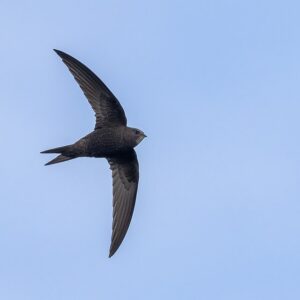
Common Swift
🔍 Overview The quintessential summer sky-dweller in Sussex, Swifts arrive in May and leave by August. Spend nearly all daylight hours on the wing. 🪶 Key Identification Features Size: Medium (16–17 cm) Plumage: Uniform dark brown Distinctive Marks: Scythe-shaped wings, forked silhouette Bill: Very small Tail: Deeply forked but short Flight: Fast, acrobatic 🗺️ Habitat...