Month: March

Home » March » Page 14
Corn Bunting
Bird

Corn Bunting

📍 Local Expert Tip “The Corn Bunting is the ‘Fat Man of the Barley’ suffered massive declines nationally. Sussex remains a stronghold and Steep Down, north of Lancing Ring is one of the most reliable places in the county to see and hear this iconic farmland bird.” 🔍 Overview A farmland specialist, the Corn Bunting is...

Curlew
Bird

Curlew

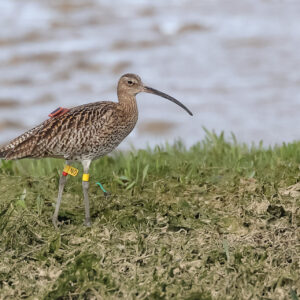
🔍 Overview The largest wader regularly recorded in Sussex, the Curlew’s haunting call is a highlight of coastal reserves and estuaries. 🪶 Key Identification Features Size: Large (50–60 cm) Plumage: Mottled brown Distinctive Marks: Very long, down-curved bill Bill: Long and curved Tail: Short and rounded Flight: Slow with deliberate wingbeats 🗺️ Habitat & Distribution...

Common Snipe
Bird

Common Snipe

📍 Local Expert Tip “The Snipe is a winter visitor from October to April with a peak in January and February. Often difficult to see but on high tides flocks of  more than 100 get flushed out of the salt marsh in the RSPB Adur section and become more visible when viewing from the Norfolk Bridge.”...

Common Starling
Bird

Common Starling

🔍 Overview Shiny and social, the Starling is a brilliant presence in Sussex fields and gardens. Known for its iridescent plumage and murmuring flocks. 🪶 Key Identification Features Size: Medium (20–22 cm) Plumage: Iridescent black with metallic purple/green sheen, speckled in winter Distinctive Marks: Pinkish legs Bill: Yellow in summer, dark in winter Tail: Short...

Common Tern
Bird

Common Tern

🔍 Overview Nicknamed the “sea swallow,” the Common Tern is a graceful summer breeder in Sussex, nesting on shingle islands and lagoons. 🪶 Key Identification Features Size: Medium (31–35 cm)Plumage: Pale grey with black capDistinctive Marks: Long wings, forked tail, red bill with black tipBill: Slim and pointedTail: Deeply forkedFlight: Agile, buoyant 🗺️ Habitat &...

Common Redshank
Bird

Common Redshank

📍 Local Expert Tip “The Estuary around the Ferry Bridge, Norfolk Bridge and RSPB Adur sections are favoured areas as is the area between the Railway and Old Toll Bridges. Widewater Lagoon is another reliable spot for relatively close sightings.” 🔍 Overview A medium-sized wader with striking red legs and a black-tipped red bill, the...

Common Sandpiper
Bird

Common Sandpiper

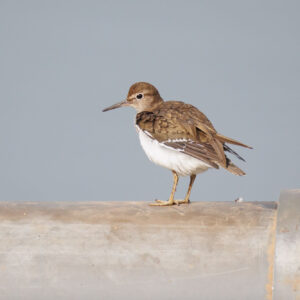
📍 Local Expert Tip “The Common Sandpiper is a passage migrant with birds visible anywhere along the river. However, the section around the old Cement Works is a reliable section and if any birds overwinter then this is the place to find them.” 🔍 Overview A familiar passage wader in Sussex, seen by rivers, lakes, and...

Common Scoter
Bird

Common Scoter

🔍 Overview The Common Scoter is a sea duck seen off the Sussex coast in winter or on spring migration. Usually in flocks, often distant offshore. 🪶 Key Identification Features Size: Medium (44–48 cm)Plumage: Males: black; Females: brown with paler cheeksDistinctive Marks: Males have a yellow bump at bill baseBill: Broad and darkTail: ShortFlight: Fast...

Common Shelduck
Bird

Common Shelduck

🔍 Overview Large, bold, and elegant, the Common Shelduck is often seen on Sussex estuaries and coastal lagoons, particularly at low tide. 🪶 Key Identification Features Size: Large duck (58–67 cm)Plumage: White with dark green head and chestnut breast bandDistinctive Marks: Red bill with knob on malesBill: Red, slightly upturnedTail: White with dark terminal bandFlight:...

Common Eider
Bird

Common Eider

🔍 Overview Britain’s heaviest duck, more common in northern UK but occasionally seen off Sussex coasts. Scarce winter visitor and passage migrant; very scarce non-breeder in summer. 🪶 Key Identification Features Male: Bold black and white plumage with green nape Female: Mottled brown, heavy build Other: Long, sloping bill 🗺️ Habitat & Distribution Infrequent offshore...