

Find Birds by Location
Find which birds you may see in your selected location. (Locations with an * are outside of our Recording Area). The month defaults to the current month. This function is continuing to be developed, any problems identified please email webmaster@sdos.org
(Bird data shown is for the 25 years 2000 to 2024 inclusive). When selecting a bird, months shown in Red are very small numbers(<10)
You have the option to produce a checklist if you wish.

Barn Owl
🔍 Overview Ghostly and ethereal, the Barn Owl is one of Sussex’s most iconic nocturnal hunters. Often glimpsed at dusk, silently quartering open fields and meadows. 🪶 Key Identification Features…

Blackbird
🔍 Overview One of the most familiar garden birds in Sussex. Males are sleek black with a bright yellow bill, while females are dark brown. Common across gardens, woodlands, and…

Blackcap
🕊️ Blackcap 🔍 Overview A sweet-singing warbler, the Blackcap is both a breeding bird and winter visitor in Sussex. Males are known for their rich, fluting song and distinctive cap….

Blue Tit
🔍 Overview A colourful and acrobatic garden favourite across Sussex. Found in almost any habitat with trees and shrubs, especially fond of garden feeders. 🪶 Key Identification Features Size: Small…

Carrion Crow
🔍 Overview Intelligent, all-black crow commonly seen in fields, parks, and towns across Sussex. Wary but often curious, it adapts well to both rural and urban habitats. 🪶 Key Identification…

Chaffinch
🔍 Overview One of the most colourful and common finches in Sussex. Males are especially bright in spring. Found in gardens, woodlands, and farmland year-round. 🪶 Key Identification Features Size:…

Coal Tit
🔍 Overview A small, agile woodland bird that often joins mixed flocks in Sussex woodlands and gardens. Less bold than the blue tit but just as active and vocal. 🪶…

Common Buzzard
🔍 Overview Once rare, the Common Buzzard is now Sussex’s most widespread raptor. Often seen circling high above woodland and farmland, especially in spring. 🪶 Key Identification Features Size: Medium-large…

Common Chiffchaff
🔍 Overview A small, greenish warbler, arriving in Sussex each spring. Known for its rhythmic, onomatopoeic “chiff-chaff” song. 🪶 Key Identification Features Size: Very small (10–12 cm) Plumage: Olive-grey above,…

Common Pheasant
Very common introduced resident. Population augmented annually by captive bred stock.

Common Starling
🔍 Overview Shiny and social, the Starling is a brilliant presence in Sussex fields and gardens. Known for its iridescent plumage and murmuring flocks. 🪶 Key Identification Features Size: Medium…
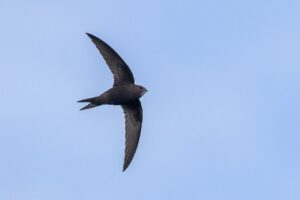
Common Swift
Image Attribution: Alexis Lours, CC BY 4.0, via Wikimedia Commons 🔍 Overview The quintessential summer sky-dweller in Sussex, Swifts arrive in May and leave by August. Spend nearly all daylight…

Corn Bunting
📍 Local Expert Tip “The Corn Bunting is the ‘Fat Man of the Barley’ suffered massive declines nationally. Sussex remains a stronghold and Steep Down, north of Lancing Ring is one…

Dunnock
🔍 Overview A shy, understated passerine of Sussex gardens and shrubberies. Often mistaken for a sparrow, but with a skittish, furtive nature. 🪶 Key Identification Features Size: Small (14 cm)…

Eurasian Stonechat
🔍 Overview A perky and charismatic bird, the Stonechat is a year-round resident of Sussex heathland, scrub, and coastal edges. 🪶 Key Identification Features Size: Small (11–13 cm)Plumage: Males: black…

Great Tit
🔍 Overview A large, vocal tit common in Sussex gardens, woodlands, and parks year-round. 🪶 Key Identification Features Size: Medium (14 cm) Plumage: Yellow belly and green back Distinctive Marks: Black…

Greenfinch
🔍 Overview A stout, seed-eating finch common at Sussex feeders, especially in winter and spring. 🪶 Key Identification Features Size: Small (16 cm) Plumage: Olive-green with yellow wing and tail bars…
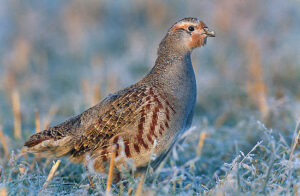
Grey Partridge
Image Attribution: Marek Szczepanek, CC BY-SA 4.0, via Wikimedia Commons 🔍 Overview A farmland bird once common across Sussex, now very scarce due to habitat loss and agricultural changes. Much…
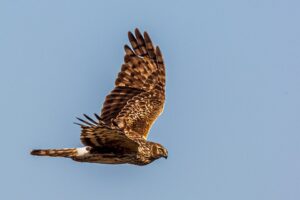
Hen Harrier
Image Attribution: Stephan Sprinz, CC BY-SA 4.0, via Wikimedia Commons 🔍 Overview An elegant raptor of open country, once bred in Sussex but now mainly seen on passage or wintering…

House Sparrow
🔍 Overview A familiar and widespread resident in Sussex, often associated with human settlements. Numbers declined but remain strong in many towns. 🪶 Key Identification Features Size: Small (14–15 cm)…

Jackdaw
🔍 Overview The smallest UK crow, Jackdaws are common across Sussex’s farmlands, towns, and woodlands. Known for their curious, intelligent behaviour. 🪶 Key Identification Features Size: Medium (33 cm) Plumage:…

Linnet
🔍 Overview Common but decreasing resident and partial migrant. A finch of open countryside and coastal scrub, Linnets are declining in parts of Sussex but remain in farmland and…
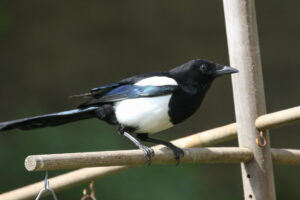
Magpie
🔍 Overview A familiar black-and-white bird in Sussex gardens and fields, with a reputation for intelligence and bold behaviour. 🪶 Key Identification Features Size: Medium-large (44–46 cm) Plumage: Black and…

Quail
🔍 Overview A small, elusive bird that visits Sussex in summer. More often heard than seen. 🪶 Key Identification Features Size of a starling Brown with striped back and pale…

Robin
🔍 Overview A beloved and bold garden bird, the Robin is a year-round presence throughout Sussex in gardens, woodlands, and hedgerows. 🪶 Key Identification Features Size: Small (14 cm) Plumage:…

Skylark
🔍 Overview A classic voice of Sussex’s open fields and downs. Known for its beautiful, sustained song flight over farmland and heath. 🪶 Key Identification Features Size: Medium (18 cm)…

Song Thrush
🔍 Overview A sweet-voiced garden and woodland thrush with a stronghold in Sussex. Known for repeating phrases in its rich song. 🪶 Key Identification Features Size: Medium (23 cm) Plumage:…

Tree Sparrow
🔍 Overview A scarce and declining farmland bird in Sussex, distinguished from the House Sparrow by its rich chestnut crown. Scarce passage migrant and winter visitor. 🪶 Key Identification Features…

Woodpigeon
🔍 Overview The most widespread and abundant pigeon in Sussex and across the UK. Common in gardens, farmland, parks, and woodlands. 🪶 Key Identification Features Size: Large pigeon (38–44 cm)…

Wren
🔍 Overview Britain’s most widespread breeding bird, the Wren is tiny but loud, often found in tangled undergrowth across Sussex. 🪶 Key Identification Features Size: Tiny (9 cm) Plumage: Brown…