

Find Birds by Location
Find which birds you may see in your selected location. (Locations with an * are outside of our Recording Area). The month defaults to the current month. This function is continuing to be developed, any problems identified please email webmaster@sdos.org
(Bird data shown is for the 25 years 2000 to 2024 inclusive). When selecting a bird, months shown in Red are very small numbers(<10)
You have the option to produce a checklist if you wish.

Barn Owl
🔍 Overview Ghostly and ethereal, the Barn Owl is one of Sussex’s most iconic nocturnal hunters. Often glimpsed at dusk, silently quartering open fields and meadows. 🪶 Key Identification Features…

Blackbird
🔍 Overview One of the most familiar garden birds in Sussex. Males are sleek black with a bright yellow bill, while females are dark brown. Common across gardens, woodlands, and…

Blackcap
🕊️ Blackcap 🔍 Overview A sweet-singing warbler, the Blackcap is both a breeding bird and winter visitor in Sussex. Males are known for their rich, fluting song and distinctive cap….

Blue Tit
🔍 Overview A colourful and acrobatic garden favourite across Sussex. Found in almost any habitat with trees and shrubs, especially fond of garden feeders. 🪶 Key Identification Features Size: Small…

Bullfinch
🔍 Overview Quiet and striking, the Bullfinch is a shy woodland resident in Sussex. Often seen in pairs, it’s more often heard by its soft call than seen clearly. 🪶…

Canada Goose
🔍 Overview A large, familiar goose introduced from North America. Now widespread across Sussex, especially near lakes, ponds, and parklands. 🪶 Key Identification Features Size: Large (90–100 cm) Plumage: Brown…

Carrion Crow
🔍 Overview Intelligent, all-black crow commonly seen in fields, parks, and towns across Sussex. Wary but often curious, it adapts well to both rural and urban habitats. 🪶 Key Identification…

Cattle Egret
🔍 Overview Once rare, now a regular and expanding presence in Sussex, especially during winter. It is an increasing visitor and bred for the first time in 2020. 🪶 Key…

Cetti’s Warbler
📍 Local Expert Tip “The Cetti’s Warbler is a relatively recent coloniser from the Continent and can be reliably found at Brooklands Park, along the stream and around the lake, where…

Chaffinch
🔍 Overview One of the most colourful and common finches in Sussex. Males are especially bright in spring. Found in gardens, woodlands, and farmland year-round. 🪶 Key Identification Features Size:…

Coal Tit
🔍 Overview A small, agile woodland bird that often joins mixed flocks in Sussex woodlands and gardens. Less bold than the blue tit but just as active and vocal. 🪶…

Common Buzzard
🔍 Overview Once rare, the Common Buzzard is now Sussex’s most widespread raptor. Often seen circling high above woodland and farmland, especially in spring. 🪶 Key Identification Features Size: Medium-large…

Common Chiffchaff
🔍 Overview A small, greenish warbler, arriving in Sussex each spring. Known for its rhythmic, onomatopoeic “chiff-chaff” song. 🪶 Key Identification Features Size: Very small (10–12 cm) Plumage: Olive-grey above,…

Common Cuckoo
🔍 Overview Harbinger of spring, the Common Cuckoo is famous for its call and brood parasitism. A declining summer visitor to Sussex heathlands and open woodland. 🪶 Key Identification Features…

Common Nightingale
🔍 Overview Renowned for its rich, powerful song, the Nightingale is a special summer visitor to Sussex. A priority species with strongholds in dense thickets and scrubland. 🪶 Key Identification…

Common Starling
🔍 Overview Shiny and social, the Starling is a brilliant presence in Sussex fields and gardens. Known for its iridescent plumage and murmuring flocks. 🪶 Key Identification Features Size: Medium…
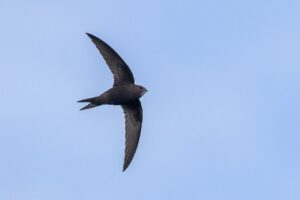
Common Swift
Image Attribution: Alexis Lours, CC BY 4.0, via Wikimedia Commons 🔍 Overview The quintessential summer sky-dweller in Sussex, Swifts arrive in May and leave by August. Spend nearly all daylight…

Coot
🔍 Overview Common and unmistakable, the Coot is a year-round resident of Sussex ponds, lakes, and rivers. Not as friendly as it looks! 🪶 Key Identification Features Size: Medium (36–38…

Dunnock
🔍 Overview A shy, understated passerine of Sussex gardens and shrubberies. Often mistaken for a sparrow, but with a skittish, furtive nature. 🪶 Key Identification Features Size: Small (14 cm)…

Eurasian Bittern
🔍 Overview A shy and rare reedbed resident, hard to see but occasionally present in Sussex. Known for its booming call. 🪶 Key Identification Features Cryptic, streaked brown plumage Stocky…

Eurasian Treecreeper
🔍 Overview Tiny and camouflaged, the Treecreeper is a specialist of Sussex woodland—often climbing up tree trunks hunting for insects. 🪶 Key Identification Features Size: Small (12–13 cm) Plumage: Brown…

Great Tit
🔍 Overview A large, vocal tit common in Sussex gardens, woodlands, and parks year-round. 🪶 Key Identification Features Size: Medium (14 cm) Plumage: Yellow belly and green back Distinctive Marks: Black…

Great White Egret
🔍 Overview A striking, large white heron now increasingly regular in Sussex, both on migration and as a breeder. 🪶 Key Identification Features Pure white plumage Long yellow bill (turns…
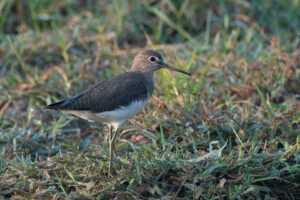
Green Sandpiper
Image Attribution: Satdeep Gill, CC BY-SA 4.0, via Wikimedia Commons 🔍 Overview Scarce spring and autumn passage migrant; more frequent in autumn; scarce in winter. A secretive, bobbing wader of…

Greenfinch
🔍 Overview A stout, seed-eating finch common at Sussex feeders, especially in winter and spring. 🪶 Key Identification Features Size: Small (16 cm) Plumage: Olive-green with yellow wing and tail bars…

Greylag Goose
🔍 Overview The ancestor of domestic geese, the Greylag Goose is common in Sussex pastures, lakes, and coastal marshes, often in large flocks. (Native population in UK is Amber listed…

Hawfinch
🔍 Overview Britain’s largest finch, known for its massive bill and shy nature. Scarce in Sussex but winter sightings increasing. 🪶 Key Identification Features Bulky finch with thick neck Huge,…

House Sparrow
🔍 Overview A familiar and widespread resident in Sussex, often associated with human settlements. Numbers declined but remain strong in many towns. 🪶 Key Identification Features Size: Small (14–15 cm)…

Jackdaw
🔍 Overview The smallest UK crow, Jackdaws are common across Sussex’s farmlands, towns, and woodlands. Known for their curious, intelligent behaviour. 🪶 Key Identification Features Size: Medium (33 cm) Plumage:…

Lesser Spotted Woodpecker
🔍 Overview Britain’s smallest and rarest woodpecker. Once more widespread in Sussex, now very scarce and local. 🪶 Key Identification Features Size of a sparrow Black and white barred back…
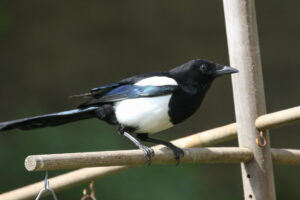
Magpie
🔍 Overview A familiar black-and-white bird in Sussex gardens and fields, with a reputation for intelligence and bold behaviour. 🪶 Key Identification Features Size: Medium-large (44–46 cm) Plumage: Black and…

Marsh Tit
🔍 Overview A quiet, elusive resident of mature Sussex woodlands. Easily confused with the Willow Tit, though rarer locally. 🪶 Key Identification Features Size: Small (11.5 cm) Plumage: Pale underparts,…

Moorhen
🔍 Overview Common in Sussex wetlands, the Moorhen is a dark, duck-sized waterbird with a red bill and a quirky personality. 🪶 Key Identification Features Size: Medium (30–35 cm)Plumage: Dark brown-black…

Nightjar
An elusive summer visitor, the Nightjar haunts heathland and woodland clearings, emerging at dusk. 🪶 Key Identification Features Size: Medium (26–28 cm)Plumage: Cryptic grey-brownDistinctive Marks: White wing spots (male), long wingsBill:…

Nuthatch
🔍 Overview An acrobatic woodland resident that creeps down tree trunks headfirst. Widespread in Sussex’s mature broadleaf woodlands. 🪶 Key Identification Features Size: Medium-small (14 cm) Plumage: Blue-grey upperparts, buff…

Reed Bunting
🔍 Overview Often overlooked, the Reed Bunting is a hardy year-round resident of Sussex wetlands, with striking plumage in spring. 🪶 Key Identification Features Size: Sparrow-sized (13–15 cm)Plumage: Males have black…

Reed Warbler
🔍 Overview A secretive, common summer visitor to Sussex reedbeds, the Reed Warbler is best located by its repetitive, rhythmic song during breeding season. 🪶 Key Identification Features Size: Small…

Ring-necked Parakeet
🔍 Overview A striking green parrot with a growing presence in Sussex, especially around urban parks and gardens. Scarce introduced resident; has bred. 🪶 Key Identification Features Bright green plumage…

Robin
🔍 Overview A beloved and bold garden bird, the Robin is a year-round presence throughout Sussex in gardens, woodlands, and hedgerows. 🪶 Key Identification Features Size: Small (14 cm) Plumage:…

Song Thrush
🔍 Overview A sweet-voiced garden and woodland thrush with a stronghold in Sussex. Known for repeating phrases in its rich song. 🪶 Key Identification Features Size: Medium (23 cm) Plumage:…

Spotted Redshank
🔍 Overview A sleek wader often found in Sussex on passage and in small numbers in winter. Scarce passage migrant and very scarce winter visitor. 🪶 Key Identification Features Longer-legged…

Turtle Dove
🔍 Overview A symbol of summer, now sadly rare in Sussex due to habitat loss and hunting on migration routes. 🪶 Key Identification Features Mottled chestnut and black back Delicate…

Water Pipit
🔍 Overview A scarce winter visitor and passage migrant, usually found on wet meadows and saline lagoons. 🪶 Key Identification Features Greyish upperparts, clean pale underparts Pale supercilium and slender…

Water Rail
🔍 Overview A secretive marsh bird heard more often than seen, found in reedbeds and wetland edges. 🪶 Key Identification Features Grey face and underparts Brown back with black streaking…

Waxwing
🔍 Overview A striking winter visitor from Scandinavia, appearing in irruption years (every few winters) and favouring berry-laden trees. 🪶 Key Identification Features Pinkish-grey body Prominent crest, black mask Yellow…

White-fronted Goose
🔍 Overview Scarce winter visitor and passage migrant, arriving from Russia to spend the colder months in mild wetland areas. European race (A. a. albifrons) is red listed species of…

Woodpigeon
🔍 Overview The most widespread and abundant pigeon in Sussex and across the UK. Common in gardens, farmland, parks, and woodlands. 🪶 Key Identification Features Size: Large pigeon (38–44 cm)…

Wren
🔍 Overview Britain’s most widespread breeding bird, the Wren is tiny but loud, often found in tangled undergrowth across Sussex. 🪶 Key Identification Features Size: Tiny (9 cm) Plumage: Brown…