

Find Birds by Location
Find which birds you may see in your selected location. (Locations with an * are outside of our Recording Area). The month defaults to the current month. This function is continuing to be developed, any problems identified please email webmaster@sdos.org
(Bird data shown is for the 25 years 2000 to 2024 inclusive). When selecting a bird, months shown in Red are very small numbers(<10)
You have the option to produce a checklist if you wish.

Arctic Skua
🔍 Overview Powerful and agile, the Arctic Skua is a pirate of the skies, best known in Sussex as a scarce but thrilling passage migrant. Fairly common spring and scarce…

Bar-tailed Godwit
🔍 Overview Fairly common winter visitor and passage migrant. Elegant and slender, the Bar-tailed Godwit is a regular passage and winter visitor to Sussex’s coastal mudflats, especially around Goring Gap, Widewater,…

Black-headed Gull
🔍 Overview The most familiar gull in Sussex, especially around coastal towns, wetlands, and inland reservoirs. Not truly black-headed – its breeding plumage features a chocolate-brown hood. 🪶 Key Identification…
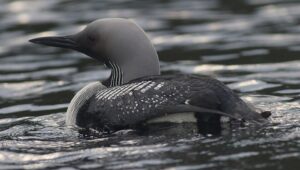
Black-throated Diver
Image Attribution: Jan Ebr & Ivana Ebrová, CC BY 4.0, via Wikimedia Commons 🔍 Overview A scarce winter visitor to Sussex seas. Less frequently recorded than Red-throated Diver, but regular…

Blackbird
🔍 Overview One of the most familiar garden birds in Sussex. Males are sleek black with a bright yellow bill, while females are dark brown. Common across gardens, woodlands, and…

Blue Tit
🔍 Overview A colourful and acrobatic garden favourite across Sussex. Found in almost any habitat with trees and shrubs, especially fond of garden feeders. 🪶 Key Identification Features Size: Small…

Brent Goose
🔍 Overview Small and dark, the Brent Goose is a winter visitor to Sussex’s coastal mudflats. Most common from October to March, often in large flocks feeding on eelgrass and…

Carrion Crow
🔍 Overview Intelligent, all-black crow commonly seen in fields, parks, and towns across Sussex. Wary but often curious, it adapts well to both rural and urban habitats. 🪶 Key Identification…

Caspian Gull
🔍 Overview An increasingly regular large gull in Sussex, especially in winter. Tricky to identify but becoming more familiar to keen observers. 🪶 Key Identification Features Adult: Long-legged, pale grey…

Chaffinch
🔍 Overview One of the most colourful and common finches in Sussex. Males are especially bright in spring. Found in gardens, woodlands, and farmland year-round. 🪶 Key Identification Features Size:…

Coal Tit
🔍 Overview A small, agile woodland bird that often joins mixed flocks in Sussex woodlands and gardens. Less bold than the blue tit but just as active and vocal. 🪶…

Common Chiffchaff
🔍 Overview A small, greenish warbler, arriving in Sussex each spring. Known for its rhythmic, onomatopoeic “chiff-chaff” song. 🪶 Key Identification Features Size: Very small (10–12 cm) Plumage: Olive-grey above,…

Common Eider
🔍 Overview Britain’s heaviest duck, more common in northern UK but occasionally seen off Sussex coasts. Scarce winter visitor and passage migrant; very scarce non-breeder in summer. 🪶 Key Identification…

Common Guillemot
🔍 Overview A sleek seabird, the Common Guillemot is mostly seen off Sussex during winter or on spring sea-watches, though breeding colonies lie further west. Last bred in 1904. 🪶…

Common Gull
🔍 Overview A medium-sized gull frequenting Sussex coasts, estuaries, and inland waters—different from the larger black-headed and herring gulls. 🪶 Key Identification Features Size: Medium (42–45 cm) Plumage: Slim build,…

Common Redshank
📍 Local Expert Tip “The Estuary around the Ferry Bridge, Norfolk Bridge and RSPB Adur sections are favoured areas as is the area between the Railway and Old Toll Bridges….
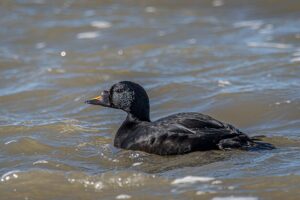
Common Scoter
Image Attribution: Stephan Sprinz, CC BY-SA 4.0, via Wikimedia Commons 🔍 Overview The Common Scoter is a sea duck seen off the Sussex coast in winter or on spring migration….

Common Shelduck
🔍 Overview Large, bold, and elegant, the Common Shelduck is often seen on Sussex estuaries and coastal lagoons, particularly at low tide. 🪶 Key Identification Features Size: Large duck (58–67…

Common Starling
🔍 Overview Shiny and social, the Starling is a brilliant presence in Sussex fields and gardens. Known for its iridescent plumage and murmuring flocks. 🪶 Key Identification Features Size: Medium…

Common Tern
🔍 Overview Nicknamed the “sea swallow,” the Common Tern is a graceful summer breeder in Sussex, nesting on shingle islands and lagoons. 🪶 Key Identification Features Size: Medium (31–35 cm)Plumage:…

Cormorant
🔍 Overview A sleek fisher and silhouette of Sussex rivers, lakes, and coast. The Cormorant is an adaptable and widespread bird often seen drying its wings. 🪶 Key Identification Features…

Curlew
🔍 Overview The largest wader regularly recorded in Sussex, the Curlew’s haunting call is a highlight of coastal reserves and estuaries. 🪶 Key Identification Features Size: Large (50–60 cm) Plumage:…

Dunlin
📍 Local Expert Tip “The Dunlin is much declined but a regular winter flock present on the mudflats opposite Coronation Green / Town Quay and between the Railway and Toll Bridges….

Dunnock
🔍 Overview A shy, understated passerine of Sussex gardens and shrubberies. Often mistaken for a sparrow, but with a skittish, furtive nature. 🪶 Key Identification Features Size: Small (14 cm)…

Eurasian Stonechat
🔍 Overview A perky and charismatic bird, the Stonechat is a year-round resident of Sussex heathland, scrub, and coastal edges. 🪶 Key Identification Features Size: Small (11–13 cm)Plumage: Males: black…

Eurasian Whimbrel
📍 Local Expert Tip “The Whimbrel is a regular Spring and Autumn passage migrant with a few birds likely present most days from mid-April to end of May and again from…
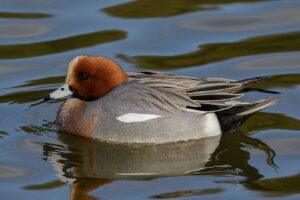
Eurasian Wigeon
Image Attribution: Photo by Laitche, CC BY-SA 4.0, via Wikimedia Commons 🔍 Overview A common and elegant winter duck, the Wigeon forms large flocks on Sussex wetlands. Easily identified by…
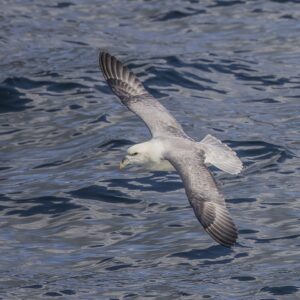
Fulmar
Image Attribution: Charles J. Sharp, CC BY-SA 4.0, via Wikimedia Commons 🔍 Overview A stiff-winged seabird seen gliding along Sussex cliffs and offshore waters, especially during spring and summer. 🪶…

Gannet
🔍 Overview The UK’s largest seabird, the Gannet is a spectacular sight off Sussex coasts, plunge-diving with dramatic speed during migration. 🪶 Key Identification Features Size: Large seabird (87–100 cm)Plumage:…

Garganey
🔍 Overview A scarce and elegant spring migrant, typically seen in Sussex from March to May. 🪶 Key Identification Features Male: Distinctive white eye-stripe, brown head, patterned flanks Female: Similar…
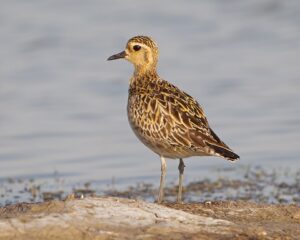
Golden Plover
Image Attribution: JJ Harrison (https://tiny.jjharrison.com.au/t/3CuTyj5LtxrKUxYI), CC BY-SA 3.0, via Wikimedia Commons 🔍 Overview Scarce passage migrant in Sussex found in farmland or coastal fields. 🪶 Key Identification Features Size: Medium (28–31 cm)…
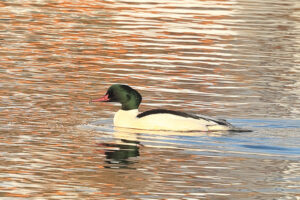
Goosander
🔍 Overview A saw-billed diving duck seen in Sussex during the colder months. Hunts fish in clear, deep water. 🪶 Key Identification Features Male: White body, dark green head, red…

Great Black-backed Gull
📍 Local Expert Tip “The Great Black-backed Gull is the largest gull in the world and a frequent sight anywhere along the tideline and at low tide in the Adur Estuary…

Great Crested Grebe
🔍 Overview Elegant and ornate, the Great Crested Grebe is a classic waterbird, known for its beautiful breeding display and slender profile. 🪶 Key Identification Features Size: Medium-large (46–51 cm)Plumage:…
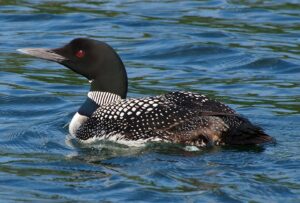
Great Northern Diver
Image Attribution: John Picken from Chicago, USA, CC BY 2.0, via Wikimedia Commons 🔍 Overview A large, impressive diver, mostly seen off the Sussex coast in winter. Known for its…
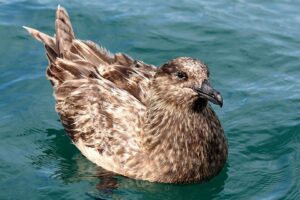
Great Skua
🔍 Overview Bold, powerful and unmistakable, the Great Skua (often known as the Bonxie) is the largest skua regularly seen in Sussex. An uncommon but regular passage migrant, it is…

Great Tit
🔍 Overview A large, vocal tit common in Sussex gardens, woodlands, and parks year-round. 🪶 Key Identification Features Size: Medium (14 cm) Plumage: Yellow belly and green back Distinctive Marks: Black…

Grey Plover
📍 Local Expert Tip “A handful of birds can be seen most winters around the Adur Estuary and Goring Gap and Worthing beaches. A distinctive white-headed individual returned for at…

Herring Gull
🔍 Overview A large and familiar gull, breeding on Sussex coast and present year-round on coastal and inland water bodies. 🪶 Key Identification Features Size: Large (55–66 cm) Plumage: Light grey…

Jackdaw
🔍 Overview The smallest UK crow, Jackdaws are common across Sussex’s farmlands, towns, and woodlands. Known for their curious, intelligent behaviour. 🪶 Key Identification Features Size: Medium (33 cm) Plumage:…

Kittiwake
🔍 Overview A delicate, cliff-loving gull, the Kittiwake may be seen from Sussex headlands during passage or following ships. Common but very localised breeding species; fairly common or common winter…

Knot
🔍 Overview A gorgeous winter wader, the Knot in plumage can appear almost white or deep cinnamon in spring plumage along coastlines. 🪶 Key Identification Features Size: Stocky wader (23–26 cm)Plumage:…

Lesser Black-backed Gull
🔍 Overview A powerful gull with dark slate-grey back, the Lesser Black-backed Gull winters along Sussex coast and inland waters. Scarce breeder. 🪶 Key Identification Features Size: Large gull (55–60 cm)Plumage:…

Little Egret
🔍 Overview Now a familiar sight across Sussex wetlands. First bred in the UK in the 1990s and has spread rapidly. 🪶 Key Identification Features All white plumage Long black…
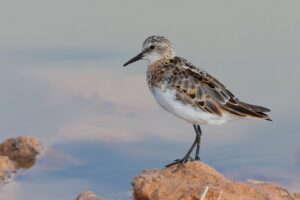
Little Stint
Image Attribution: El Golli Mohamed, CC BY-SA 4.0, via Wikimedia Commons 🔍 Overview A tiny Arctic-breeding wader seen on passage, especially in autumn. One of the smallest shorebirds in Sussex….
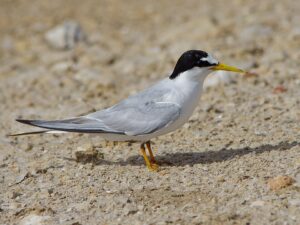
Little Tern
Image Attribution: El Golli Mohamed, CC BY-SA 4.0, via Wikimedia Commons 🔍 Overview A summer breeder on Sussex’s shingle beaches, the Little Tern is small, agile, and highly vocal. 🪶…
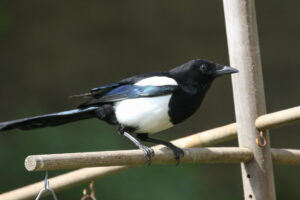
Magpie
🔍 Overview A familiar black-and-white bird in Sussex gardens and fields, with a reputation for intelligence and bold behaviour. 🪶 Key Identification Features Size: Medium-large (44–46 cm) Plumage: Black and…

Mediterranean Gull
📍 Local Expert Tip “The Mediterranean Gull is a species undergoing a dramatic range expansion and now breeds in Sussex although not in the local area. However, in Spring the high…

Northern Wheatear
📍 Local Expert Tip “The Wheatear is a a regular passage migrant in Spring and Autumn. Shoreham Fort often records the first birds heading north in Spring from mid-March but can…

Oystercatcher
📍 Local Expert Tip “The Oystercatcher is a distinctive and noisy local resident which is adapting to man by breeding on flat roofs close to the river such as at…

Pied Wagtail
🔍 Overview Common resident; passage migrant and winter visitor. A highly mobile black-and-white bird with a constantly bobbing tail, common across Sussex towns and countryside. 🪶 Key Identification Features…

Pintail
The Pintail is a sleek and elegant winter duck in Sussex, known for its long tail and graceful posture. A regular visitor to floodplains and estuaries. 🪶 Key Identification Features…

Pomarine Skua
🔍 Overview A powerful seabird seen offshore during migration. Rare but regular in Sussex seawatches. Passage migrant in variable numbers in spring; usually scarce; very scarce in autumn; rare in…

Razorbill
🔍 Overview The Razorbill is a chunky seabird seen off Sussex in winter or during migration. Related to puffins and guillemots. Common winter visitor and fairly common passage migrant; last…

Red-breasted Merganser
🔍 Overview A winter coastal duck, the Red-breasted Merganser is slim, shaggy-headed, and a fast swimmer along the Sussex shoreline. Fairly common winter visitor and passage migrant along the coast….

Red-throated Diver
🔍 Overview A sleek, elegant diver seen off the Sussex coast in winter. The Red-throated Diver is the commonest diver here. 🪶 Key Identification Features Size: Large (55–67 cm)Plumage: Grey above,…

Ring-necked Parakeet
🔍 Overview A striking green parrot with a growing presence in Sussex, especially around urban parks and gardens. Scarce introduced resident; has bred. 🪶 Key Identification Features Bright green plumage…

Ringed Plover
📍 Local Expert Tip ” The Ringed Plover is much declined but still a regular sight in autumn and winter on the mudflats opposite Coronation Green / Town Quay and between…

Robin
🔍 Overview A beloved and bold garden bird, the Robin is a year-round presence throughout Sussex in gardens, woodlands, and hedgerows. 🪶 Key Identification Features Size: Small (14 cm) Plumage:…

Sand Martin
🔍 Overview A lively summer visitor, the Sand Martin nests in colonies along sandy riverbanks and quarries in Sussex. 🪶 Key Identification Features Size: Small (12–13 cm)Plumage: Brown above, white below…

Sanderling
🔍 Overview Hyperactive and snow-white in winter, Sanderlings run along Sussex beaches just ahead of the surf. 🪶 Key Identification Features Size: Small (18–20 cm)Plumage: Pale grey-white in winterDistinctive Marks: No…

Sandwich Tern
🔍 Overview A smart, crested seabird with a harsh call, the Sandwich Tern is a common coastal summer visitor in Sussex. Localised breeding summer visitor and common passage migrant; very…

Shoveler
🔍 Overview A distinctive dabbling duck with a comically large bill, found widely in Sussex in winter and during passage. 🪶 Key Identification Features Large spatula-shaped bill Male: green head,…

Skylark
🔍 Overview A classic voice of Sussex’s open fields and downs. Known for its beautiful, sustained song flight over farmland and heath. 🪶 Key Identification Features Size: Medium (18 cm)…

Slavonian Grebe
🔍 Overview A small and elegant grebe, mainly seen in winter along the Sussex coast and occasionally inland. Scarce winter visitor and passage migrant. 🪶 Key Identification Features Black and…

Snow Bunting
🔍 Overview A hardy, Arctic-breeding bunting that winters in small flocks on open coastal ground. Scarce passage migrant and winter visitor. 🪶 Key Identification Features White and chestnut plumage in…

Spotted Redshank
🔍 Overview A sleek wader often found in Sussex on passage and in small numbers in winter. Scarce passage migrant and very scarce winter visitor. 🪶 Key Identification Features Longer-legged…

Stock Dove
🔍 Overview Often overlooked, the Stock Dove is a quieter cousin of the Woodpigeon. Common across Sussex farmland and parkland. 🪶 Key Identification Features Size: Medium (30–33 cm) Plumage: Blue-grey…

Tree Pipit
🔍 OverviewFairly common but local summer visitor. A subtle but charismatic spring migrant to Sussex heathlands. Known for its parachuting song flight over open areas. 🪶 Key Identification Features Size:…

Turnstone
🔍 OverviewA sturdy, energetic wader found along Sussex shingle and rocky coasts in all seasons. Known for flipping stones to find prey. 🪶 Key Identification Features Size: Small wader (22–24…

Velvet Scoter
🔍 Overview A bulky sea duck seen off the Sussex coast in winter, usually among flocks of Common Scoter. Scarce passage migrant and winter visitor along the coast; rare inland….

Waxwing
🔍 Overview A striking winter visitor from Scandinavia, appearing in irruption years (every few winters) and favouring berry-laden trees. 🪶 Key Identification Features Pinkish-grey body Prominent crest, black mask Yellow…

Whinchat
🔍 OverviewA charming migrant seen in Sussex during spring and autumn passage. Prefers rough fields and heathland edges. Rare summer visitor; last bred in 1999. Very rare in winter. 🪶…

Woodlark
🔍 Overview A rare but locally breeding songbird of open heath and forestry rides in Sussex. Scarce resident and very scarce passage migrant. 🪶 Key Identification Features Short tail, broad…

Yellow Wagtail
🔍 Overview A colourful migrant seen in Sussex mainly on spring and autumn passage, occasionally breeding in lowland wet meadows. 🪶 Key Identification Features Bright yellow underparts Olive-green upperparts Greyish…

Yellow-legged Gull
🔍 Overview A large, robust gull mainly seen in Sussex in late summer and early autumn, with a few year-round. 🪶 Key Identification Features Grey mantle darker than Herring Gull…