

Find Birds by Location
Find which birds you may see in your selected location. (Locations with an * are outside of our Recording Area). The month defaults to the current month. This function is continuing to be developed, any problems identified please email webmaster@sdos.org
(Bird data shown is for the 25 years 2000 to 2024 inclusive). When selecting a bird, months shown in Red are very small numbers(<10)
You have the option to produce a checklist if you wish.

Avocet
🔍 Overview Striking and elegant, the Avocet is a rare but iconic wader in Sussex, most commonly spotted at coastal wetlands and saltmarshes. With its upturned bill and bold black-and-white…

Bar-tailed Godwit
🔍 Overview Fairly common winter visitor and passage migrant. Elegant and slender, the Bar-tailed Godwit is a regular passage and winter visitor to Sussex’s coastal mudflats, especially around Goring Gap, Widewater,…

Barn Owl
🔍 Overview Ghostly and ethereal, the Barn Owl is one of Sussex’s most iconic nocturnal hunters. Often glimpsed at dusk, silently quartering open fields and meadows. 🪶 Key Identification Features…

Barn Swallow
🔍 Overview A true summer migrant, the Barn Swallow brings the Sussex countryside to life with its graceful flight and cheerful chirping. It nests in barns and outbuildings, often returning…

Bewick’s Swan
🔍 Overview A small Arctic-breeding swan, seen in Sussex on winter migration. Scarcer than Whooper Swan. 🪶 Key Identification Features Size: Smaller than Mute Swan Bill: Short yellow patch near…

Black-headed Gull
🔍 Overview The most familiar gull in Sussex, especially around coastal towns, wetlands, and inland reservoirs. Not truly black-headed – its breeding plumage features a chocolate-brown hood. 🪶 Key Identification…

Black-tailed Godwit
🔍 Overview Elegant and long-legged, the Black-tailed Godwit is a regular visitor to Sussex wetlands. Numbers peak during passage and winter, with flocks frequenting Pulborough Brooks and Adur Valley. 🪶…

Blackbird
🔍 Overview One of the most familiar garden birds in Sussex. Males are sleek black with a bright yellow bill, while females are dark brown. Common across gardens, woodlands, and…

Blackcap
🕊️ Blackcap 🔍 Overview A sweet-singing warbler, the Blackcap is both a breeding bird and winter visitor in Sussex. Males are known for their rich, fluting song and distinctive cap….

Blue Tit
🔍 Overview A colourful and acrobatic garden favourite across Sussex. Found in almost any habitat with trees and shrubs, especially fond of garden feeders. 🪶 Key Identification Features Size: Small…

Bullfinch
🔍 Overview Quiet and striking, the Bullfinch is a shy woodland resident in Sussex. Often seen in pairs, it’s more often heard by its soft call than seen clearly. 🪶…

Canada Goose
🔍 Overview A large, familiar goose introduced from North America. Now widespread across Sussex, especially near lakes, ponds, and parklands. 🪶 Key Identification Features Size: Large (90–100 cm) Plumage: Brown…

Carrion Crow
🔍 Overview Intelligent, all-black crow commonly seen in fields, parks, and towns across Sussex. Wary but often curious, it adapts well to both rural and urban habitats. 🪶 Key Identification…

Cattle Egret
🔍 Overview Once rare, now a regular and expanding presence in Sussex, especially during winter. It is an increasing visitor and bred for the first time in 2020. 🪶 Key…

Cetti’s Warbler
📍 Local Expert Tip “The Cetti’s Warbler is a relatively recent coloniser from the Continent and can be reliably found at Brooklands Park, along the stream and around the lake, where…

Chaffinch
🔍 Overview One of the most colourful and common finches in Sussex. Males are especially bright in spring. Found in gardens, woodlands, and farmland year-round. 🪶 Key Identification Features Size:…

Coal Tit
🔍 Overview A small, agile woodland bird that often joins mixed flocks in Sussex woodlands and gardens. Less bold than the blue tit but just as active and vocal. 🪶…

Common Buzzard
🔍 Overview Once rare, the Common Buzzard is now Sussex’s most widespread raptor. Often seen circling high above woodland and farmland, especially in spring. 🪶 Key Identification Features Size: Medium-large…

Common Chiffchaff
🔍 Overview A small, greenish warbler, arriving in Sussex each spring. Known for its rhythmic, onomatopoeic “chiff-chaff” song. 🪶 Key Identification Features Size: Very small (10–12 cm) Plumage: Olive-grey above,…
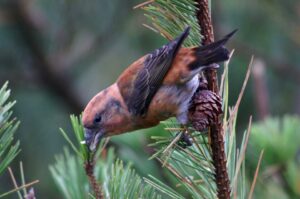
Common Crossbill
Image Attribution: Common Crossbill (Loxia curvirostra), Baltasound by Mike Pennington, CC BY-SA 2.0, via Wikimedia Commons 🔍 Overview A chunky finch with a unique bill adapted for extracting conifer seeds. Irregular…

Common Cuckoo
🔍 Overview Harbinger of spring, the Common Cuckoo is famous for its call and brood parasitism. A declining summer visitor to Sussex heathlands and open woodland. 🪶 Key Identification Features…

Common Gull
🔍 Overview A medium-sized gull frequenting Sussex coasts, estuaries, and inland waters—different from the larger black-headed and herring gulls. 🪶 Key Identification Features Size: Medium (42–45 cm) Plumage: Slim build,…

Common Nightingale
🔍 Overview Renowned for its rich, powerful song, the Nightingale is a special summer visitor to Sussex. A priority species with strongholds in dense thickets and scrubland. 🪶 Key Identification…

Common Pheasant
Very common introduced resident. Population augmented annually by captive bred stock.

Common Pochard
🔍 Overview A diving duck, the Pochard is a regular winter visitor to Sussex lakes and gravel pits. Males are handsome with a rusty head and striking grey body. 🪶…

Common Redshank
📍 Local Expert Tip “The Estuary around the Ferry Bridge, Norfolk Bridge and RSPB Adur sections are favoured areas as is the area between the Railway and Old Toll Bridges….

Common Sandpiper
📍 Local Expert Tip “The Common Sandpiper is a passage migrant with birds visible anywhere along the river. However, the section around the old Cement Works is a reliable section and…

Common Starling
🔍 Overview Shiny and social, the Starling is a brilliant presence in Sussex fields and gardens. Known for its iridescent plumage and murmuring flocks. 🪶 Key Identification Features Size: Medium…
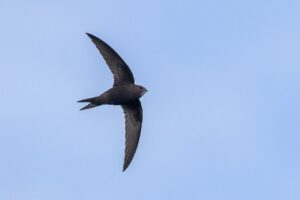
Common Swift
Image Attribution: Alexis Lours, CC BY 4.0, via Wikimedia Commons 🔍 Overview The quintessential summer sky-dweller in Sussex, Swifts arrive in May and leave by August. Spend nearly all daylight…

Common Tern
🔍 Overview Nicknamed the “sea swallow,” the Common Tern is a graceful summer breeder in Sussex, nesting on shingle islands and lagoons. 🪶 Key Identification Features Size: Medium (31–35 cm)Plumage:…

Common Whitethroat
🔍 Overview A lively warbler of Sussex hedgerows and scrub, the Whitethroat is known for its chattering song and concealed habitat preference. 🪶 Key Identification Features Size: Small (13–14 cm)…

Curlew
🔍 Overview The largest wader regularly recorded in Sussex, the Curlew’s haunting call is a highlight of coastal reserves and estuaries. 🪶 Key Identification Features Size: Large (50–60 cm) Plumage:…

Curlew Sandpiper
🔍 Overview A scarce passage wader, most often seen in Sussex during autumn. Breeds in Arctic Siberia and winters in Africa. 🪶 Key Identification Features Breeding plumage: Reddish underparts, long…

Dunlin
📍 Local Expert Tip “The Dunlin is much declined but a regular winter flock present on the mudflats opposite Coronation Green / Town Quay and between the Railway and Toll Bridges….

Dunnock
🔍 Overview A shy, understated passerine of Sussex gardens and shrubberies. Often mistaken for a sparrow, but with a skittish, furtive nature. 🪶 Key Identification Features Size: Small (14 cm)…

Egyptian Goose
🔍 Overview A non-native species now breeding freely in parts of Sussex. Recognisable and increasingly widespread. 🪶 Key Identification Features Pale buff plumage with dark chest patch Eye-ring and chestnut…

Eurasian Stonechat
🔍 Overview A perky and charismatic bird, the Stonechat is a year-round resident of Sussex heathland, scrub, and coastal edges. 🪶 Key Identification Features Size: Small (11–13 cm)Plumage: Males: black…

Eurasian Teal
🔍 Overview The UK’s smallest dabbling duck, the Teal is a common winter visitor to Sussex wetlands. Males are striking, females subtly patterned. 🪶 Key Identification Features Size: Small duck…

Eurasian Whimbrel
📍 Local Expert Tip “The Whimbrel is a regular Spring and Autumn passage migrant with a few birds likely present most days from mid-April to end of May and again from…
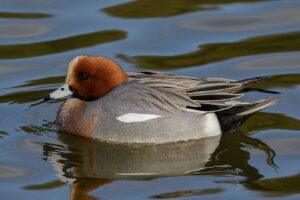
Eurasian Wigeon
Image Attribution: Photo by Laitche, CC BY-SA 4.0, via Wikimedia Commons 🔍 Overview A common and elegant winter duck, the Wigeon forms large flocks on Sussex wetlands. Easily identified by…

Fieldfare
🔍 Overview A winter visitor, the Fieldfare arrives in numbers across Sussex from October to March. A striking plump thrush with a loud contact call. 🪶 Key Identification Features Size:…

Firecrest
🔍 Overview One of Britain’s tiniest birds, the Firecrest is a gem of Sussex woodlands, especially in winter. Brilliant head markings and fast movement make it a joy to spot….
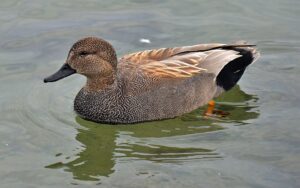
Gadwall
Image Attribution: Mykola Swarnyk, CC BY-SA 3.0, via Wikimedia Commons 🔍 Overview A subtly beautiful dabbling duck, found across Sussex wetlands in winter and breeding in select sites. Very scarce…
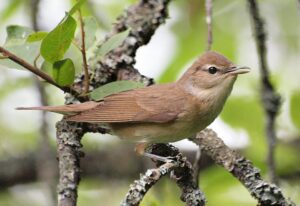
Garden Warbler
Image Attribution: Biillyboy, CC BY 2.0, via Wikimedia Commons 🔍 Overview A shy and secretive summer breeder in Sussex woodlands. Common in May–July, it’s more often heard than seen, with…

Garganey
🔍 Overview A scarce and elegant spring migrant, typically seen in Sussex from March to May. 🪶 Key Identification Features Male: Distinctive white eye-stripe, brown head, patterned flanks Female: Similar…

Goldcrest
🔍 Overview Britain’s smallest bird, flitting restlessly in Sussex conifer and mixed woodlands year‑round. 🪶 Key Identification Features Size: Tiny (8–9 cm) Plumage: Olive‑green above, buff below Distinctive Marks: Bright orange…
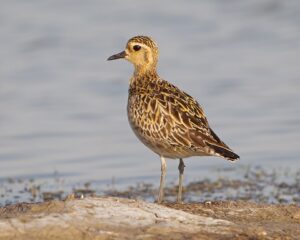
Golden Plover
Image Attribution: JJ Harrison (https://tiny.jjharrison.com.au/t/3CuTyj5LtxrKUxYI), CC BY-SA 3.0, via Wikimedia Commons 🔍 Overview Scarce passage migrant in Sussex found in farmland or coastal fields. 🪶 Key Identification Features Size: Medium (28–31 cm)…

Goldfinch
🔍 Overview Bright, musical, and common, the Goldfinch is one of Sussex’s most recognisable garden and countryside finches. 🪶 Key Identification Features Size: Small (12–13 cm)Plumage: Red face, gold wing…

Great Black-backed Gull
📍 Local Expert Tip “The Great Black-backed Gull is the largest gull in the world and a frequent sight anywhere along the tideline and at low tide in the Adur Estuary…

Great Crested Grebe
🔍 Overview Elegant and ornate, the Great Crested Grebe is a classic waterbird, known for its beautiful breeding display and slender profile. 🪶 Key Identification Features Size: Medium-large (46–51 cm)Plumage:…

Great Spotted Woodpecker
🔍 Overview A bold and familiar woodpecker in Sussex, frequenting woodlands, parks, and gardens throughout the year. 🪶 Key Identification Features Size: Medium (23 cm) Plumage: Black and white pattern, red…

Great Tit
🔍 Overview A large, vocal tit common in Sussex gardens, woodlands, and parks year-round. 🪶 Key Identification Features Size: Medium (14 cm) Plumage: Yellow belly and green back Distinctive Marks: Black…

Great White Egret
🔍 Overview A striking, large white heron now increasingly regular in Sussex, both on migration and as a breeder. 🪶 Key Identification Features Pure white plumage Long yellow bill (turns…
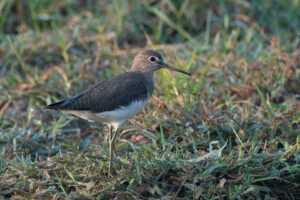
Green Sandpiper
Image Attribution: Satdeep Gill, CC BY-SA 4.0, via Wikimedia Commons 🔍 Overview Scarce spring and autumn passage migrant; more frequent in autumn; scarce in winter. A secretive, bobbing wader of…

Green Woodpecker
🔍 Overview A colourful, ground-feeding woodpecker, frequently seen on lawns in Sussex, known locally as the “yaffle.” 🪶 Key Identification Features Size: Large (31 cm) Plumage: Green body, red crown, black…

Greenfinch
🔍 Overview A stout, seed-eating finch common at Sussex feeders, especially in winter and spring. 🪶 Key Identification Features Size: Small (16 cm) Plumage: Olive-green with yellow wing and tail bars…

Greenshank
📍 Local Expert Tip “The Greenshank is generally a passage migrant in small numbers along the edge of the Estuary. However since 2019 a bird has wintered being faithful to the…

Grey Heron
🔍 Overview A familiar, statuesque wader, the Grey Heron patrols Sussex waters year-round. Often seen standing motionless, waiting to strike. 🪶 Key Identification Features Size: Large (90–100 cm)Plumage: Grey body, white…
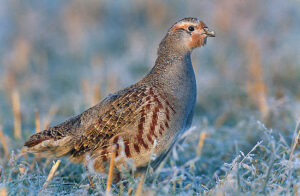
Grey Partridge
Image Attribution: Marek Szczepanek, CC BY-SA 4.0, via Wikimedia Commons 🔍 Overview A farmland bird once common across Sussex, now very scarce due to habitat loss and agricultural changes. Much…

Grey Wagtail
🔍 Overview A vibrant, long-tailed wagtail often found near fast-moving water, especially in upland Sussex streams and winter gardens. 🪶 Key Identification Features Size: Small (18–20 cm)Plumage: Grey back, bright yellow…

Greylag Goose
🔍 Overview The ancestor of domestic geese, the Greylag Goose is common in Sussex pastures, lakes, and coastal marshes, often in large flocks. (Native population in UK is Amber listed…

Hawfinch
🔍 Overview Britain’s largest finch, known for its massive bill and shy nature. Scarce in Sussex but winter sightings increasing. 🪶 Key Identification Features Bulky finch with thick neck Huge,…

Herring Gull
🔍 Overview A large and familiar gull, breeding on Sussex coast and present year-round on coastal and inland water bodies. 🪶 Key Identification Features Size: Large (55–66 cm) Plumage: Light grey…
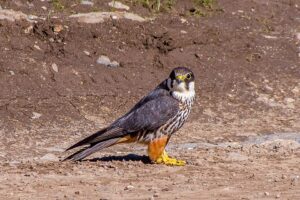
Hobby
Image Attribution: Mike Prince from Bangalore, India, CC BY 2.0, via Wikimedia Commons 🔍 Overview A dashing summer falcon, superb aerial hunter of dragonflies and hirundines. Increasingly regular breeder in…

House Sparrow
🔍 Overview A familiar and widespread resident in Sussex, often associated with human settlements. Numbers declined but remain strong in many towns. 🪶 Key Identification Features Size: Small (14–15 cm)…
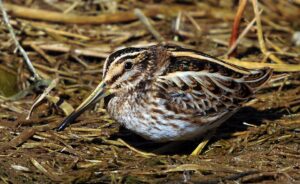
Jack Snipe
Image Attribution: Dûrzan cîrano, CC BY-SA 3.0, via Wikimedia Commons 🔍 Overview A tiny, elusive wader best known for its bobbing motion and preference for wet, boggy ground. Winter visitor…

Jackdaw
🔍 Overview The smallest UK crow, Jackdaws are common across Sussex’s farmlands, towns, and woodlands. Known for their curious, intelligent behaviour. 🪶 Key Identification Features Size: Medium (33 cm) Plumage:…

Jay
🔍 Overview A secretive woodland crow, the Jay is colourful and increasingly seen in Sussex gardens—especially in autumn when caching acorns. 🪶 Key Identification Features Size: Medium (34 cm) Plumage:…

Kestrel
🔍 Overview A familiar falcon, the Kestrel hovers vigilantly over Sussex fields and roadsides, searching for small prey. 🪶 Key Identification Features Size: Medium raptor (34–38 cm)Plumage: Reddish-brown back, grey head…

Kingfisher
🔍 Overview A flash of electric blue by Sussex waters — the Kingfisher is small but striking, and the emblem of healthy rivers. 🪶 Key Identification Features Size: Tiny (16–17 cm)Plumage:…

Lapwing
📍 Local Expert Tip “The Lapwing is a regular but much declined winter visitor. The island by the Toll Bridge is a regular feeding area. At high tide, birds roost on…

Lesser Whitethroat
📍 Local Expert Tip “The Lesser Whitethroat locally, is far less common than Common Whitethroat and much more elusive. Best found by learning its song and then patiently waiting for a…

Linnet
🔍 Overview Common but decreasing resident and partial migrant. A finch of open countryside and coastal scrub, Linnets are declining in parts of Sussex but remain in farmland and…

Little Egret
🔍 Overview Now a familiar sight across Sussex wetlands. First bred in the UK in the 1990s and has spread rapidly. 🪶 Key Identification Features All white plumage Long black…

Little Grebe
🔍 Overview Also known as “Dabchick,” the Little Grebe is a small, round diving bird commonly found on Sussex ponds and lakes. 🪶 Key Identification Features Size: Tiny (25–29 cm)Plumage: Chestnut…

Little Ringed Plover
🔍 Overview A dainty wader that breeds on bare, stony ground. Summer visitor and breeder in parts of Sussex. 🪶 Key Identification Features Sandy brown upperparts, white belly Bright yellow…

Long-eared Owl
🔍 Overview A secretive and nocturnal owl, best located by winter roosts. Uncommon but present year-round in Sussex. 🪶 Key Identification Features Slim owl with long ear tufts Orange eyes…

Long-tailed Tit
🔍 Overview A delightful and highly social garden and woodland bird. Easily recognisable by its fluffy body and very long tail. 🪶 Key Identification Features Size: Small (14 cm including…
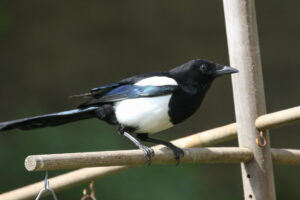
Magpie
🔍 Overview A familiar black-and-white bird in Sussex gardens and fields, with a reputation for intelligence and bold behaviour. 🪶 Key Identification Features Size: Medium-large (44–46 cm) Plumage: Black and…

Mallard
🔍 Overview The UK’s most familiar duck, the Mallard is a common sight on Sussex’s lakes, rivers, ponds, and even urban parks year-round. 🪶 Key Identification Features Size: Large (58…

Marsh Harrier
🔍 Overview A large, graceful raptor of reedbeds and marshes. Recolonised Sussex in recent years after a long absence. Scarce breeder since 2004. 🪶 Key Identification Features Long wings held…

Marsh Tit
🔍 Overview A quiet, elusive resident of mature Sussex woodlands. Easily confused with the Willow Tit, though rarer locally. 🪶 Key Identification Features Size: Small (11.5 cm) Plumage: Pale underparts,…

Meadow Pipit
🔍 Overview A slender, streaky bird of open habitats. Common across Sussex heathlands, downs, and coastal marshes. 🪶 Key Identification Features Size: Small (15 cm) Plumage: Streaky brown above, pale…

Mediterranean Gull
📍 Local Expert Tip “The Mediterranean Gull is a species undergoing a dramatic range expansion and now breeds in Sussex although not in the local area. However, in Spring the high…
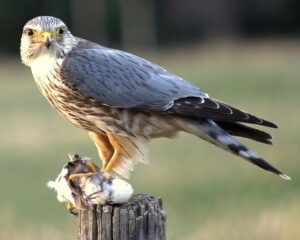
Merlin
Image Attribution:Just a Prairie Boy from Calgary, AB, Canada, CC BY 2.0, via Wikimedia Commons 🔍 Overview The UK’s smallest falcon, a fierce and fast hunter often seen darting low…

Mistle Thrush
🔍 Overview Larger and bolder than the Song Thrush, Mistle Thrushes are widespread across Sussex in woodland edges, parks, and open countryside. 🪶 Key Identification Features Size: Large (27 cm)…

Moorhen
🔍 Overview Common in Sussex wetlands, the Moorhen is a dark, duck-sized waterbird with a red bill and a quirky personality. 🪶 Key Identification Features Size: Medium (30–35 cm)Plumage: Dark brown-black…

Mute Swan
🔍 Overview A majestic symbol of British waterways, the Mute Swan is common across Sussex’s lakes, rivers, and estuaries. 🪶 Key Identification Features Size: Very large (140–160 cm wingspan)Plumage: All whiteDistinctive…

Nightjar
An elusive summer visitor, the Nightjar haunts heathland and woodland clearings, emerging at dusk. 🪶 Key Identification Features Size: Medium (26–28 cm)Plumage: Cryptic grey-brownDistinctive Marks: White wing spots (male), long wingsBill:…

Nuthatch
🔍 Overview An acrobatic woodland resident that creeps down tree trunks headfirst. Widespread in Sussex’s mature broadleaf woodlands. 🪶 Key Identification Features Size: Medium-small (14 cm) Plumage: Blue-grey upperparts, buff…

Osprey
🔍 Overview A striking fish-eating raptor that passes through Sussex on spring and autumn migration. 🪶 Key Identification Features Large with long wings and narrow “M” shape in flight White…

Oystercatcher
📍 Local Expert Tip “The Oystercatcher is a distinctive and noisy local resident which is adapting to man by breeding on flat roofs close to the river such as at…
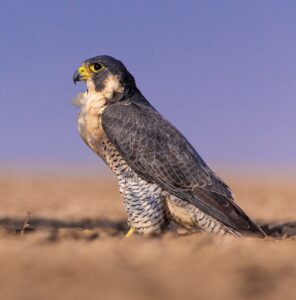
Peregrine
Image Attribution: Sumeet Moghe, CC BY-SA 4.0, via Wikimedia Commons 🔍 Overview The world’s fastest bird, this powerful falcon is now a regular breeder on cliffs and urban buildings in…

Pintail
The Pintail is a sleek and elegant winter duck in Sussex, known for its long tail and graceful posture. A regular visitor to floodplains and estuaries. 🪶 Key Identification Features…

Quail
🔍 Overview A small, elusive bird that visits Sussex in summer. More often heard than seen. 🪶 Key Identification Features Size of a starling Brown with striped back and pale…

Raven
🔍 Overview The Raven is a powerful and intelligent corvid, now increasingly common in Sussex, especially near cliffs and upland woods. Fairly common breeding resident; first bred in modern era…

Red Kite
🔍 Overview A soaring success story, the Red Kite is increasingly spotted across Sussex, often gliding effortlessly with a forked tail. Fairly common breeding resident (first bred in 2004) and…

Red-breasted Merganser
🔍 Overview A winter coastal duck, the Red-breasted Merganser is slim, shaggy-headed, and a fast swimmer along the Sussex shoreline. Fairly common winter visitor and passage migrant along the coast….

Red-legged Partridge
Common introduced resident. Population augmented annually by captive bred stock.

Redpoll
🔍 Overview A tiny finch with a crimson cap, the Redpoll is a winter visitor to Sussex, occasionally forming flocks in birch woods and weedy patches. 🪶 Key Identification Features…

Redwing
🔍 Overview A winter thrush from Scandinavia. Redwings arrive in Sussex around October and often form flocks with Fieldfares. 🪶 Key Identification Features Size: Medium (21 cm) Plumage: Brown back,…

Reed Bunting
🔍 Overview Often overlooked, the Reed Bunting is a hardy year-round resident of Sussex wetlands, with striking plumage in spring. 🪶 Key Identification Features Size: Sparrow-sized (13–15 cm)Plumage: Males have black…

Reed Warbler
🔍 Overview A secretive, common summer visitor to Sussex reedbeds, the Reed Warbler is best located by its repetitive, rhythmic song during breeding season. 🪶 Key Identification Features Size: Small…

Ringed Plover
📍 Local Expert Tip ” The Ringed Plover is much declined but still a regular sight in autumn and winter on the mudflats opposite Coronation Green / Town Quay and between…

Robin
🔍 Overview A beloved and bold garden bird, the Robin is a year-round presence throughout Sussex in gardens, woodlands, and hedgerows. 🪶 Key Identification Features Size: Small (14 cm) Plumage:…

Rook
🔍 Overview The most social of UK crows, Rooks are widespread in rural Sussex and identifiable by their bare greyish face and shaggy thigh feathers. 🪶 Key Identification Features Size:…

Ruff
🔍 Overview Scarce winter visitor and passage migrant. A highly variable medium-sized wader, best known for the male’s extravagant breeding plumage (rarely seen in Sussex). 🪶 Key Identification Features Long…

Shoveler
🔍 Overview A distinctive dabbling duck with a comically large bill, found widely in Sussex in winter and during passage. 🪶 Key Identification Features Large spatula-shaped bill Male: green head,…

Siskin
🔍 OverviewA colourful finch often seen in Sussex during winter, especially in alder and conifer stands. Some breed locally, mostly in wooded uplands. Fairly common breeder. 🪶 Key Identification Features…

Skylark
🔍 Overview A classic voice of Sussex’s open fields and downs. Known for its beautiful, sustained song flight over farmland and heath. 🪶 Key Identification Features Size: Medium (18 cm)…

Song Thrush
🔍 Overview A sweet-voiced garden and woodland thrush with a stronghold in Sussex. Known for repeating phrases in its rich song. 🪶 Key Identification Features Size: Medium (23 cm) Plumage:…

Sparrowhawk
🔍 Overview A swift, agile predator of small birds, the Sparrowhawk is a regular visitor to Sussex gardens, especially near bird feeders. 🪶 Key Identification Features Size: Small raptor (males…

Spotted Flycatcher
🔍 OverviewA slim, subtly beautiful summer visitor that’s sadly declining in Sussex. Typically seen sallying out from open perches to catch insects mid-air. 🪶 Key Identification Features Size: Small (14–15…

Spotted Redshank
🔍 Overview A sleek wader often found in Sussex on passage and in small numbers in winter. Scarce passage migrant and very scarce winter visitor. 🪶 Key Identification Features Longer-legged…

Stock Dove
🔍 Overview Often overlooked, the Stock Dove is a quieter cousin of the Woodpigeon. Common across Sussex farmland and parkland. 🪶 Key Identification Features Size: Medium (30–33 cm) Plumage: Blue-grey…

Tawny Owl
🔍 Overview The classic “twit-twoo” owl of British woodlands, Tawny Owls are widespread across Sussex but mostly heard rather than seen. 🪶 Key Identification Features Size: Medium (37–39 cm) Plumage:…

Tree Pipit
🔍 OverviewFairly common but local summer visitor. A subtle but charismatic spring migrant to Sussex heathlands. Known for its parachuting song flight over open areas. 🪶 Key Identification Features Size:…

Tufted Duck
🔍 OverviewA smart and common diving duck found year-round on Sussex lakes and reservoirs. Easily identified by its black-and-white plumage and diving behaviour. 🪶 Key Identification Features Size: Medium (42–48…

Tundra Bean Goose
🔍 Overview A scarce winter visitor to Sussex, typically in cold spells and often among other grey geese. 🪶 Key Identification Features Dark brown plumage Orange legs and bill (with…

Turtle Dove
🔍 Overview A symbol of summer, now sadly rare in Sussex due to habitat loss and hunting on migration routes. 🪶 Key Identification Features Mottled chestnut and black back Delicate…

Water Pipit
🔍 Overview A scarce winter visitor and passage migrant, usually found on wet meadows and saline lagoons. 🪶 Key Identification Features Greyish upperparts, clean pale underparts Pale supercilium and slender…

Water Rail
🔍 Overview A secretive marsh bird heard more often than seen, found in reedbeds and wetland edges. 🪶 Key Identification Features Grey face and underparts Brown back with black streaking…

White-fronted Goose
🔍 Overview Scarce winter visitor and passage migrant, arriving from Russia to spend the colder months in mild wetland areas. European race (A. a. albifrons) is red listed species of…

Willow Warbler
🔍 Overview A sweet-voiced migrant warbler, the Willow Warbler breeds in Sussex’s open scrub and young woodland during spring and summer. 🪶 Key Identification Features Size: Small (11 cm) Plumage:…

Wood Sandpiper
🔍 Overview A graceful and rare passage wader in Sussex, especially during spring and late summer migration. 🪶 Key Identification Features Slim, with a long neck and greenish legs Pale…

Woodcock
🔍 OverviewA mysterious and well-camouflaged woodland wader, mostly encountered at dusk or flushed from dense cover. Winters widely in Sussex. 🪶 Key Identification Features Size: Medium-large (33–38 cm) Plumage: Mottled…

Woodlark
🔍 Overview A rare but locally breeding songbird of open heath and forestry rides in Sussex. Scarce resident and very scarce passage migrant. 🪶 Key Identification Features Short tail, broad…

Woodpigeon
🔍 Overview The most widespread and abundant pigeon in Sussex and across the UK. Common in gardens, farmland, parks, and woodlands. 🪶 Key Identification Features Size: Large pigeon (38–44 cm)…

Wren
🔍 Overview Britain’s most widespread breeding bird, the Wren is tiny but loud, often found in tangled undergrowth across Sussex. 🪶 Key Identification Features Size: Tiny (9 cm) Plumage: Brown…

Yellow Wagtail
🔍 Overview A colourful migrant seen in Sussex mainly on spring and autumn passage, occasionally breeding in lowland wet meadows. 🪶 Key Identification Features Bright yellow underparts Olive-green upperparts Greyish…

Yellowhammer
🔍 Overview A striking farmland bunting with a memorable song, Yellowhammers remain locally common across Sussex countryside. 🪶 Key Identification Features Size: Medium (16 cm) Male: Bright yellow head, chestnut…